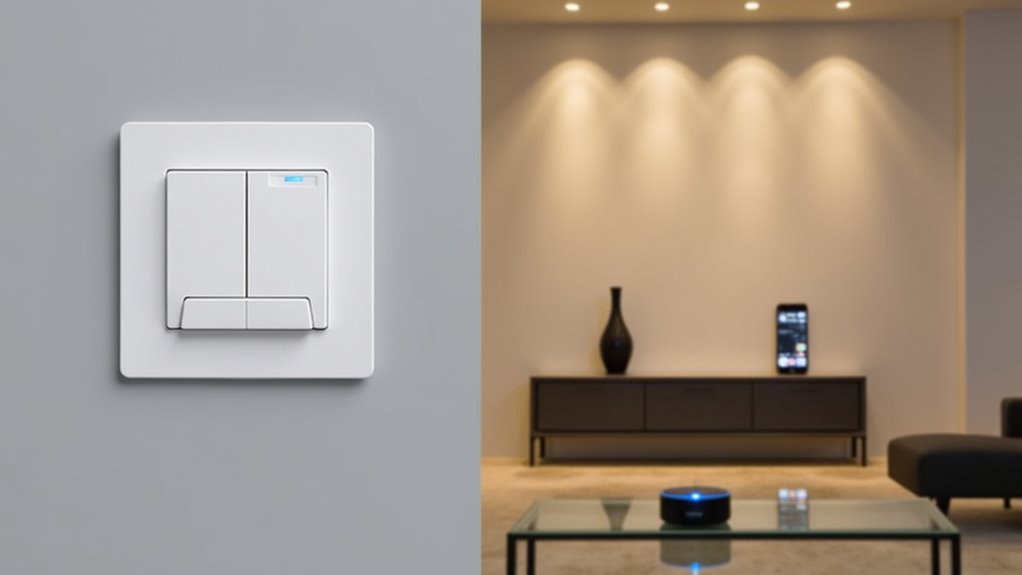
Traditional lampmakers are watching their century-old craft collide with artificial intelligence, and the results are surprisingly brilliant. These aren’t your grandmother’s table lamps anymore. They’re emotion-detecting, voice-commanding, mood-adapting pieces of art that happen to light up rooms.
The technology packed into these handcrafted beauties is frankly ridiculous. AI-powered features can detect emotions and adjust lighting based on voice patterns and mood. Your lamp literally knows when you’re stressed before your therapist does. Remote control through apps and voice commands lets users seamlessly adjust brightness and color temperature without moving from the couch. Because walking three feet to flip a switch is apparently too much work now.
Customizable lighting scenes tailored to gaming, work, or relaxation mean one lamp does the job of an entire lighting department. Smart home compatibility with Google Assistant, Amazon Alexa, and Apple HomeKit creates integrated control across devices. These lamps sync with music and video content for immersive experiences that turn living rooms into personal entertainment centers. Modern smart lamps offer an impressive 16 million color options for creating personalized ambiance in any space.
These smart lamps turn your living room into a personal entertainment center that responds to music and voice commands.
Sustainability meets craftsmanship in ways that actually matter. LED-based smart lamps consume less energy and exceed 20,000 hours of lifespan, making frequent bulb replacements a thing of the past. Eco-friendly materials and sustainable production processes are becoming standard in handcrafted lampmaking. Smart energy management with occupancy sensors guarantees lights activate only when needed, slashing consumption further. Motion sensors can automatically turn off lights in unoccupied rooms, further enhancing energy efficiency.
The personalization options border on obsessive. Handcrafted designs blend traditional artistry with modern function, while app-based presets create mood-driven color settings and dynamic routines. User-defined automation includes scheduled timings and adaptive brightness for circadian health. Art and technology fusion transforms lamps into interactive decor pieces.
Enhanced user interaction takes things further. Motion and ambient light sensors auto-adjust behavior based on presence and natural light levels. Some models use facial recognition or mood detection to adapt lighting to emotional states. The learning capabilities mean these lamps refine behavior over time, offering increasingly intelligent automation. Advanced algorithms enable smart components to learn daily routines and anticipate lighting needs with remarkable precision.
Cultural influences merge with technological innovation, creating unique styles that act as statement pieces and focal points. Collaboration between designers and technologists produces limited-edition smart lamps that blur the line between functional lighting and collectible art.