While everyone’s been obsessing over AI chatbots and self-driving cars, smart lights have quietly invaded homes across the country. The market’s exploding—25% annual growth isn’t a typo. By 2029? We’re looking at an additional $26.4 billion flooding into an industry that most people still think is just about turning lights on with their phone.
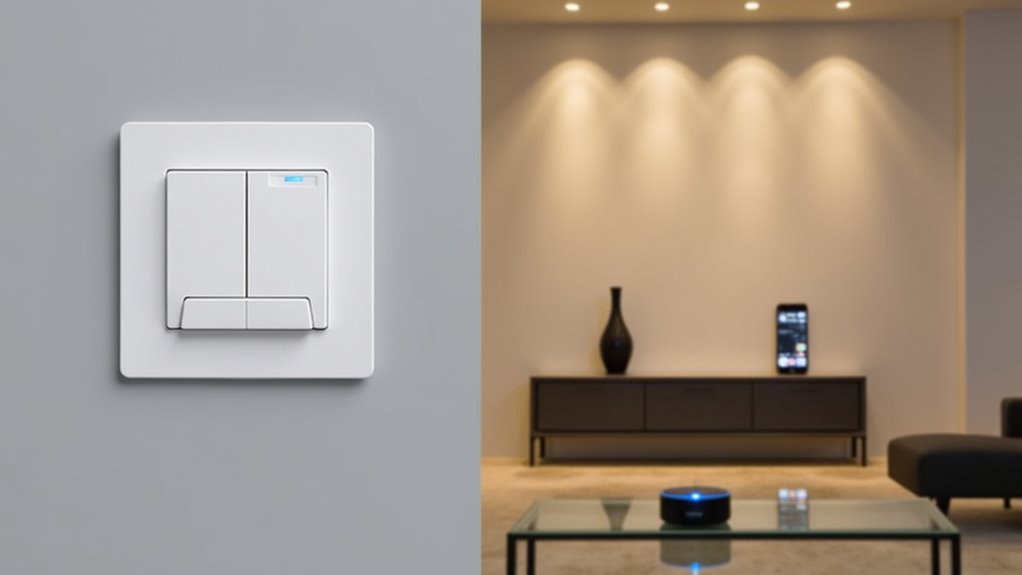
The technology has gotten ridiculous. Forget your dad’s dimmer switches. These systems pack sensors that track where you move, AI that figures out your routines, and more color options than anyone actually needs. They sync with Alexa, flip on when you walk in a room, dim themselves at bedtime. Some even harvest daylight to cut artificial lighting needs—potentially slashing energy use by up to 85%. That’s real money vanishing from utility bills. Motion detectors linked to these smart lighting systems can reduce electricity usage by 7-27% annually based on actual occupancy patterns.
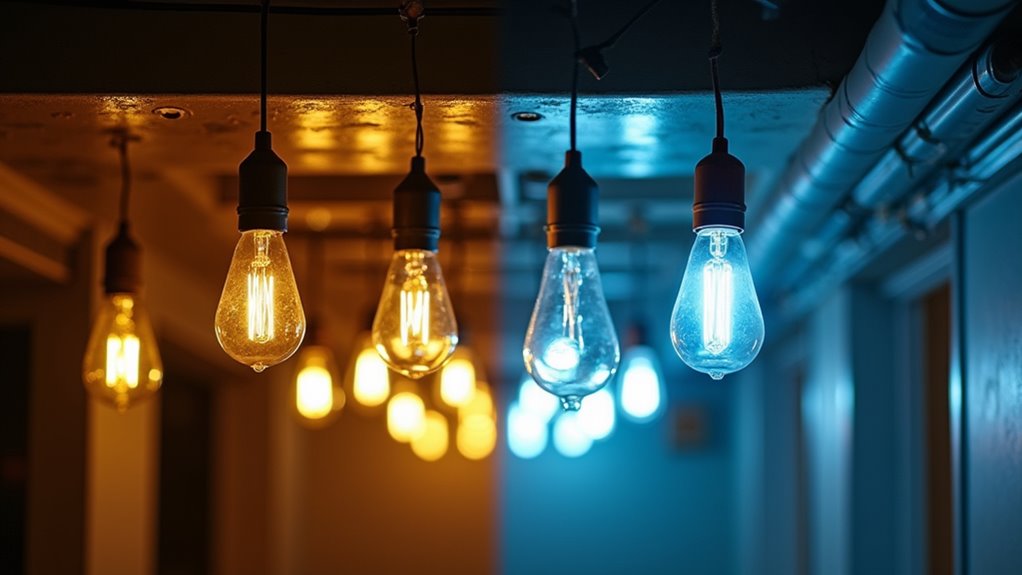
Here’s where it gets interesting, though. These lights might actually be messing with people’s biology—in a good way. Circadian lighting attempts to mimic natural sunlight patterns, which could help with sleep and productivity. The latest systems feature warm dim technology that mimics the behavior of traditional incandescent bulbs, providing that familiar cozy glow people miss from old-school lighting. Want warm, cozy vibes for Netflix? Easy. Need harsh white light to survive that midnight deadline? You got it. The systems adapt to whatever you’re doing, or at least they try to.
Smart lights are hacking our biology—syncing with natural rhythms to boost sleep and productivity while adapting to whatever we’re doing.
The connectivity piece? Both impressive and maddening. IoT integration means you can control lights from Tahiti, track energy use while stuck in traffic, coordinate with your security cameras. Cloud platforms let property managers run entire buildings from their couch. That said, different brands still refuse to play nice together. Pick Philips Hue when your thermostat speaks Samsung, and half your smart home goes silent. The DALI protocol has emerged as one solution, offering compatibility across different smart bulb brands with surprising flexibility.
Cost remains the elephant in the room. The initial hit to your wallet stings, and these systems demand regular software updates like needy pets. Even so, manufacturers are scrambling to slash prices. IT companies, meanwhile, have finally started fixing those terrible interfaces that made early adopters want to throw their phones at the wall.
The shift from selling you a bulb to selling you a subscription? Pretty obvious at this point.
What started as a luxury toy has somehow become standard in modern homes. Commercial spaces are scaling up too—from single offices to entire complexes. The residential surge in developed countries appears unstoppable. Smart lighting isn’t coming anymore. Look around—it’s already here.