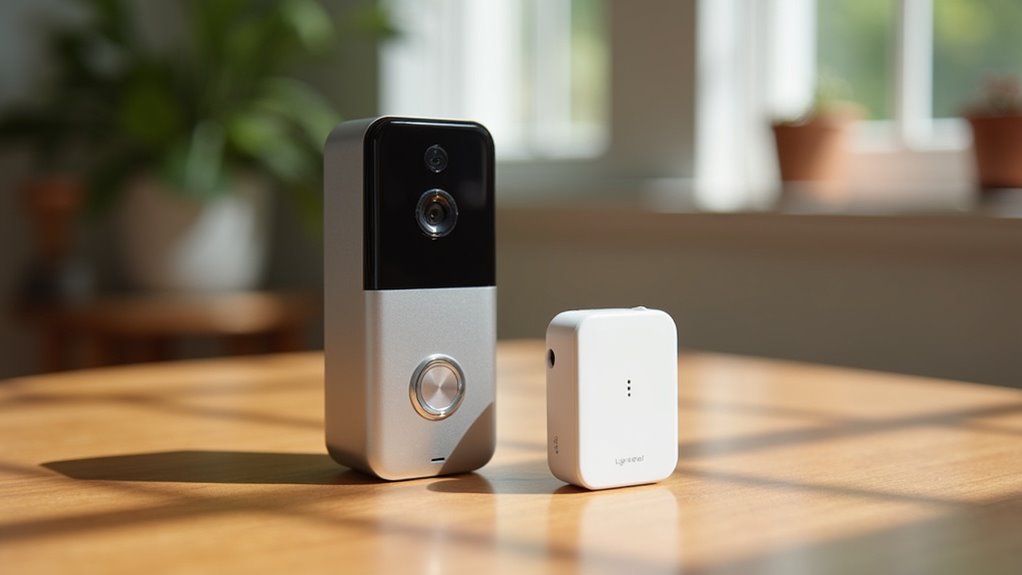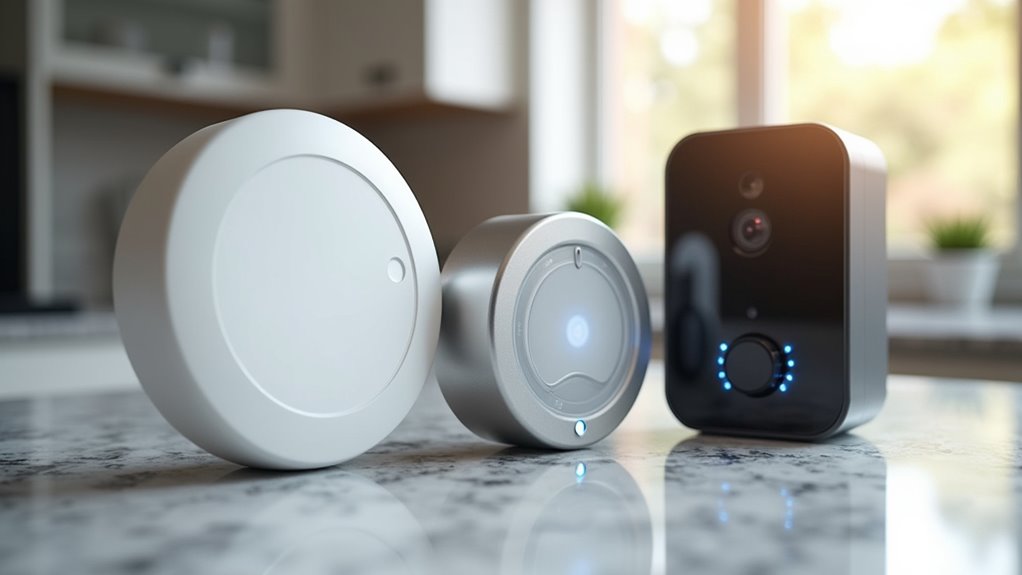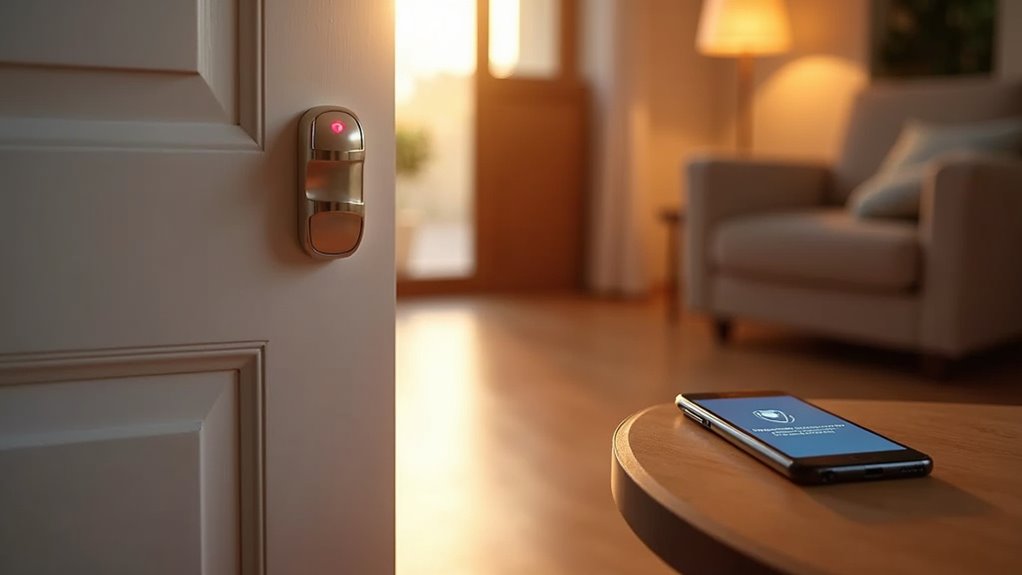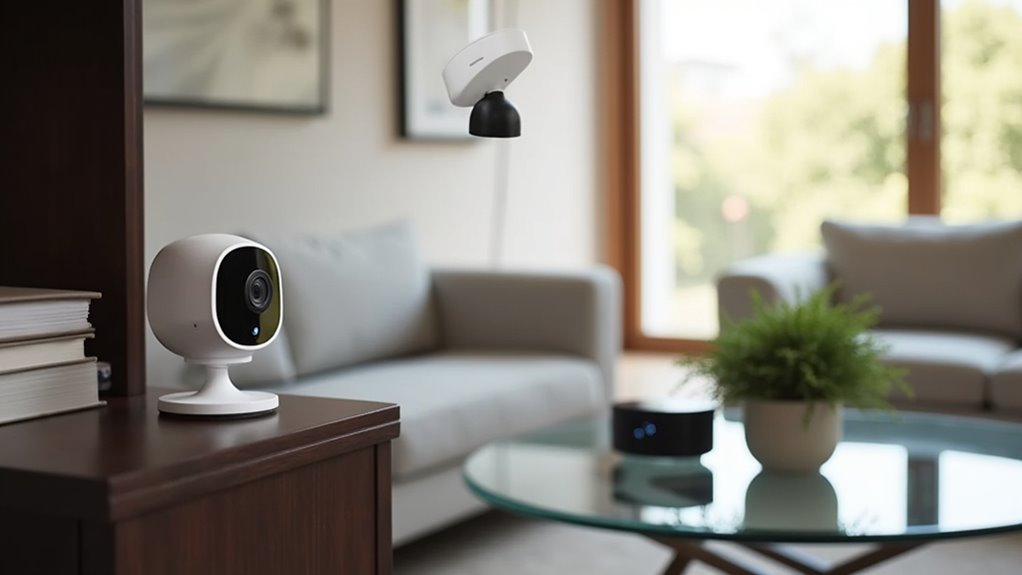
While most people assume they need a tech degree to set up home security, indoor cameras have become surprisingly straightforward—and surprisingly capable. After living with the latest 2025 models for months, the biggest shock wasn’t the technology itself. It was how wrong most assumptions about these devices turned out to be.
The video quality transformation hit faster than expected. Most top models now pump out 2K resolution as standard, with select units pushing 4K video that captures details nobody thought they’d need until they actually needed them. Wide-angle lenses cover entire rooms, eliminating those annoying blind spots that always seemed to hide the important stuff. Color night vision on higher-end models transforms nighttime footage from grainy disasters into usable evidence, though daytime performance still dominates across the board.
Storage became the real game-changer, not the fancy features manufacturers love bragging about. Local microSD card support exploded across brands, with some cameras handling 128GB or 256GB cards for subscription-free recording. Companies like Eufy and TP-Link Tapo figured out what consumers actually wanted: freedom from monthly fees. Cloud storage still exists, naturally requiring subscriptions, but several models now function completely without paid plans. Testing revealed that cloud storage costs can equal the camera price annually, making local storage options even more attractive for budget-conscious users.
Storage freedom beats flashy gimmicks—local microSD cards deliver subscription-free recording that consumers actually wanted all along.
The AI detection surprised skeptics by actually working. People, pets, vehicles, even crying infants get identified with impressive accuracy. Customizable activity zones let users fine-tune notifications, cutting down the false alarms that drove early adopters crazy. Two-way audio enables real conversations through cameras, while smart home integration with Alexa, Google Assistant, and select Apple HomeKit devices expanded automation possibilities beyond basic recording. Advanced models now feature facial recognition capabilities that create personalized notifications based on familiar faces.
Privacy remains the elephant in the room. Physical privacy shutters provide peace of mind when cameras aren’t needed, but data privacy scores vary wildly between brands. Local storage reduces cloud breach vulnerabilities but creates theft concerns if devices disappear. Regular firmware updates are essential as they patch security vulnerabilities that hackers could otherwise exploit.
Installation shocked traditionalists with its simplicity. DIY setup became standard, no professionals required. Battery-powered options offer flexible placement, while motorized pan-and-tilt features let users adjust angles remotely through smartphone apps.
Entry-level models deliver respectable performance under $50, making professional-grade monitoring accessible to average households without breaking budgets.