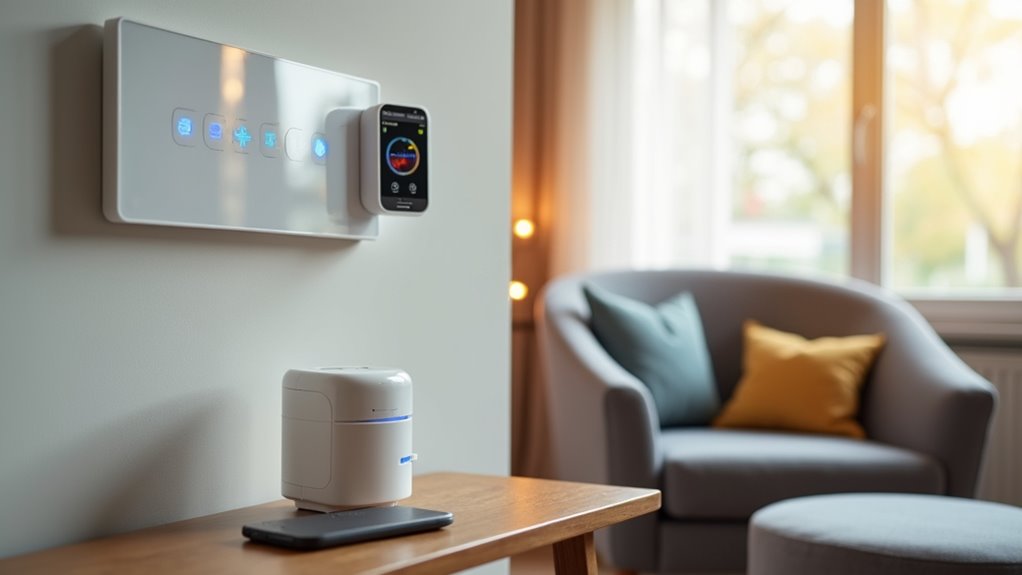
Aging in place sounds simple enough — until the house itself becomes the hazard. Millions of older adults are quietly turning their homes into something genuinely impressive — and their adult children have no idea how it works.
Aging in place sounds simple — until the house itself becomes the hazard no one planned for.
Voice-activated assistants like Amazon Alexa and Google Nest have become serious tools, not just novelty gadgets. They control lights, fans, air conditioning, and kitchen appliances from one spot. No walking across the house. No fumbling with complicated menus. Just talking. For anyone dealing with mobility or vision challenges, that’s not a convenience — it’s a game changer. The Google Home app allows multiple users to manage shared devices, meaning family members across different households can stay connected to the same setup.
Falls are the real villain here. Motion-sensor lights now activate automatically in hallways, bathrooms, and stairwells, cutting nighttime risk significantly. Wall-mounted radar sensors can detect a fall without using cameras, which means privacy stays intact while caregivers still get notified fast. Some smart rugs even detect unusual walking patterns before a fall happens. Before. That’s remarkable.
The kitchen gets attention too. Smart ovens and hobs can be monitored remotely through a phone or control panel. Automatic shut-off kicks in if a gas flame is left unattended too long. Integrated gas and smoke detectors send alerts directly to designated contacts when something goes wrong. Family members can check appliance status without driving over. Useful. Genuinely useful.
Security technology has evolved past simple locks. Smart video doorbells let residents see and speak with visitors without opening the door. Smart locks remove the entire key problem — no searching, no fumbling. Occupancy simulation features run automatically when residents are away, making the house appear occupied. Motion sensors and contact sensors on doors and windows give family members perimeter monitoring alerts through a connected app without feeling intrusive. Caller ID apps can automatically flag and identify scam call numbers, helping older adults avoid the rising tide of senior-targeted fraud before it ever becomes a conversation.
Then there’s medication management. Smart pill dispensers physically lock doses until the correct time, preventing accidental overdosing. If a dose gets missed, caregivers receive an alert. For someone with early dementia, that kind of automated reminder can preserve real cognitive independence.
The honest reality is this — these technologies aren’t experimental anymore. They exist, they work, and plenty of grandparents are already using them. Meanwhile, their kids are still figuring out how to set a thermostat.