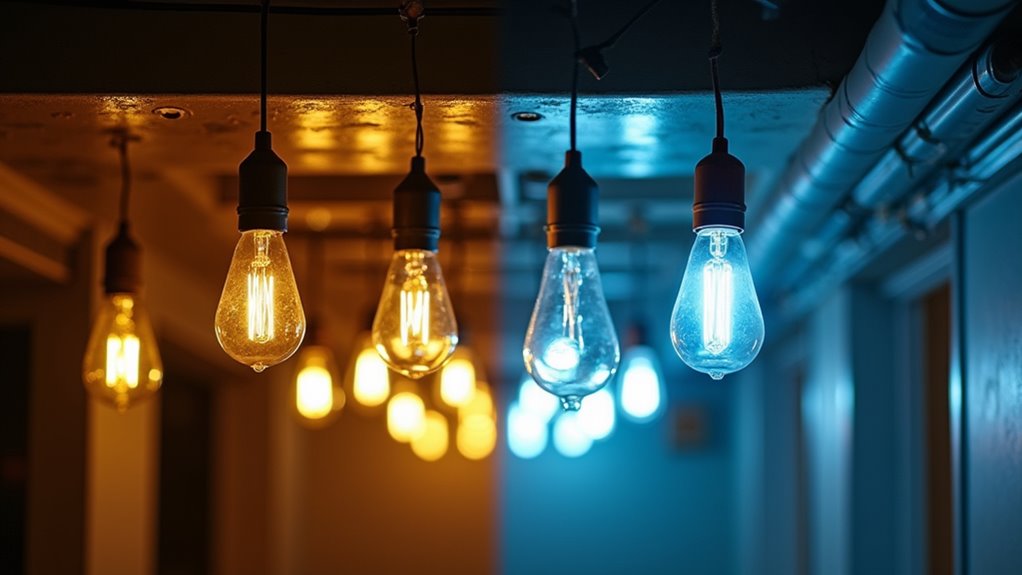
When a lighting company shows up at IFA 2025 with AI-driven bulbs and millions in revenue, people pay attention. Yeelight brought exactly that to the Innovation Stage. Their next-generation systems don’t just turn on and off anymore—they think, adapt, and basically run themselves. Everyone else’s lighting displays? They might as well have been in a museum.
AI-driven bulbs that think and adapt just made everyone else’s lighting displays look like museum pieces.
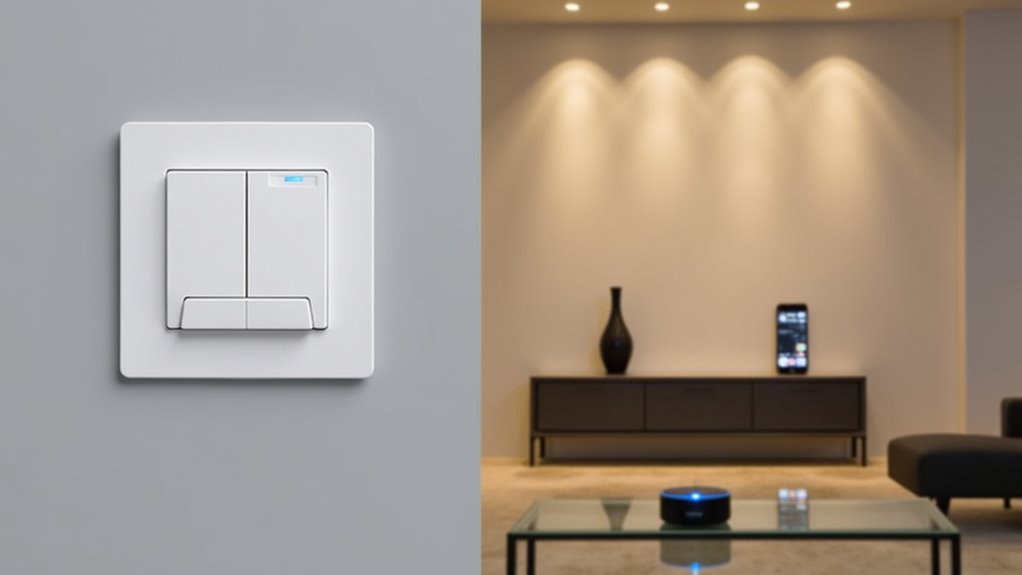
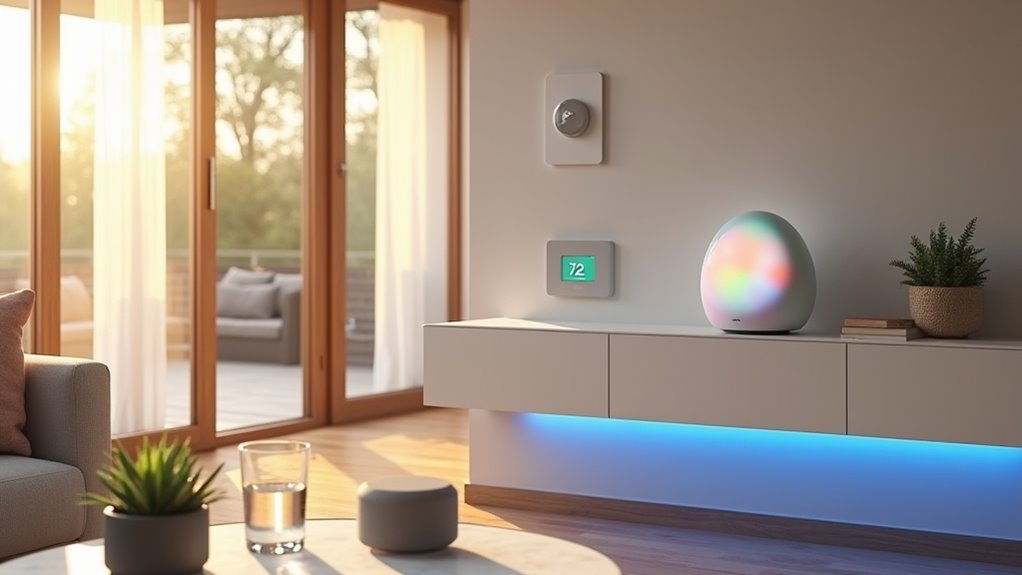
The company revealed the Arwen D Ceiling Light and the portable Candela Lamp, plus two other models that nobody saw coming. Each one packed with Wi-Fi connectivity, multi-zone color control, and enough sensors to make a smartphone jealous. These aren’t your grandmother’s light switches. You control them through mobile apps, bark orders at them, and they’ll even adjust themselves based on what’s happening around them. Apparently, manually flipping a switch has become primitive behavior.
Here’s what’s remarkable: Yeelight somehow convinced Amazon, Google, Microsoft, and Xiaomi to all play nice together. That’s like getting every streaming service to agree on something—it just doesn’t happen. But it means these lights work with basically every smart home platform out there. No more buying separate bulbs for different ecosystems. Finally.
The minimalist designs won IF and Reddot awards, which probably matters more than most people realize. The kicker, though? They’re using recycled materials and modular components. Part of your light breaks? You don’t trash the whole thing—you just replace that piece. Revolutionary concept, right? On top of that, the systems consume less power through smart scheduling. It seems to address IFA’s sustainability discussions without getting preachy about it. These energy-saving features resemble the smart thermostats that optimize usage in comprehensive home security systems.
Yeelight’s numbers speak volumes. Millions of connected units shipped globally. $8.9 million in annual revenue. $28 million in total funding. Their reach spans over 40 countries. Not bad for a company that’s essentially teaching light bulbs to think. The technology represents exactly what IFA’s Future of Intelligence discussions predicted—adaptive systems seamlessly integrating into daily life without requiring constant human intervention. Users need to log in to fully interact with these smart systems through the apps, ensuring secure control over their home lighting environments.
The hands-on demonstrations at IFA drew serious crowds. Creators hosted workshops and panel discussions about smart societies, and people actually got excited about ceiling lights. Traditional lighting manufacturers likely watched from the sidelines, wondering when exactly they became obsolete. The answer appears to be right around the time Yeelight decided lights should think for themselves.