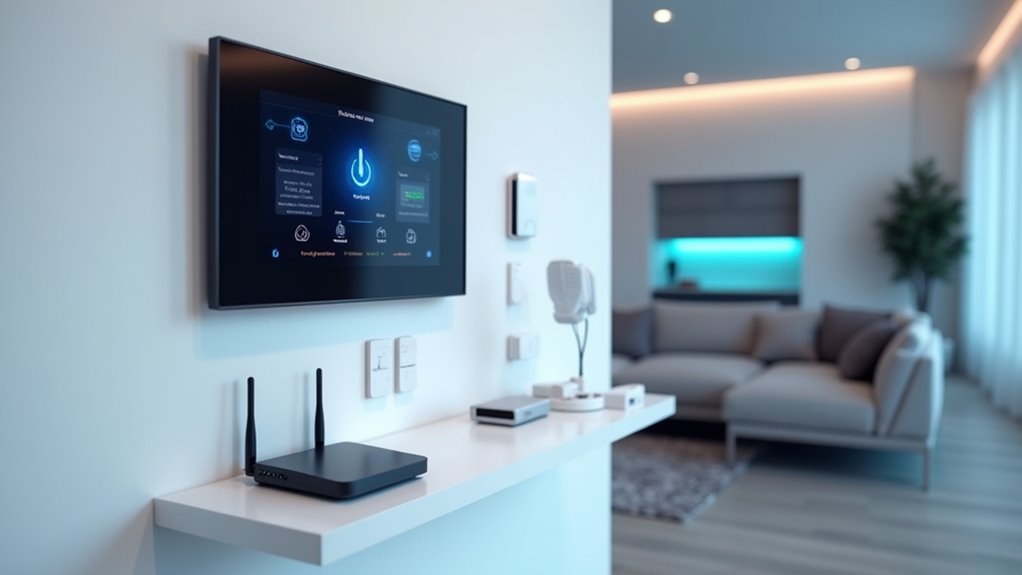
The days of fumbling with multiple apps to control a rental property’s tech features are officially over. Today’s renters expect unified smart home controls that manage everything from lighting to security through a single platform.
Properties still operating with fragmented systems are getting left behind, fast.
Smart locks have become non-negotiable. Keyless entry isn’t just convenient – it’s crucial for remote access during showings and maintenance visits. Video doorbells and connected security systems provide the peace of mind that over 65% of renters under 40 consider essential when choosing where to live.
Properties without these features simply don’t make the shortlist anymore.
Energy efficiency features are driving rental decisions in ways landlords can’t ignore. Smart thermostats that learn occupancy patterns and adaptive climate controls aren’t luxury add-ons – they’re the difference between getting top-dollar rent and watching prospects walk away.
Tenants actively seek properties where smart lighting systems and water leak detectors will slash their utility bills and prevent headaches down the road. Smart plugs can dramatically reduce energy costs by preventing power drain from idle appliances.
The connectivity infrastructure tells the real story. Properties without robust Wi-Fi coverage and 5G network support can’t handle the interconnected devices renters expect.
Voice-controlled features and touchless controls aren’t just trendy – they’ve become standard requirements, especially as post-pandemic hygiene concerns persist.
Property management efficiency has transformed dramatically. Edge computing processes critical data on-site, reducing network delays while centralized property management software automates everything from scheduling to predictive maintenance. Smart appliances now feature sensor technology that provides maintenance alerts before costly breakdowns occur. Properties leveraging digital twin technology can test upgrades and optimize performance without disrupting tenant experiences.
Landlords operating without these systems are drowning in manual processes while their tech-savvy competitors streamline operations.
The bottom line hits hard: rental properties lacking unified smart home controls, security technology, energy efficiency features, and reliable connectivity infrastructure are becoming impossible to rent at competitive rates.
Tenants won’t settle for outdated properties when tech-enabled alternatives offer superior convenience, security, and cost savings.
The market has shifted permanently. Properties that can’t deliver seamless smart home experiences, robust security features, and energy-efficient automation are fighting an uphill battle they’re destined to lose.
Adaptation isn’t optional anymore – it’s survival.