Apple is finally getting serious about smart homes. After years of treating HomeKit like “just a hobby,” the tech giant is reportedly launching a budget smart home hub in the second half of 2025. And it might actually matter this time.
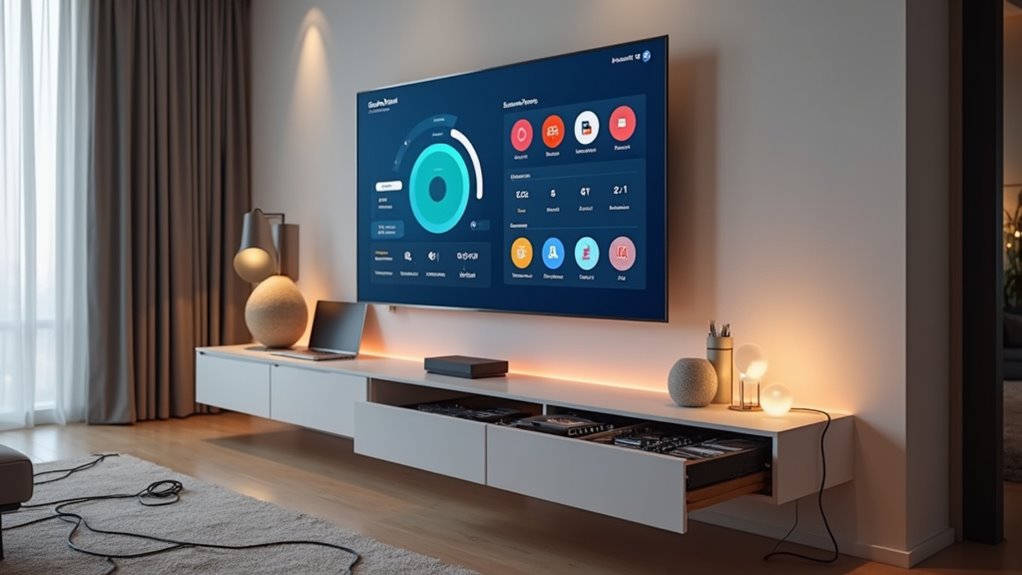
The device sounds pretty straightforward. Think iPad-like screen, decent speakers, built-in camera and microphone. It’ll pack an A18 chip with at least 8GB of RAM to handle Apple Intelligence features. You can mount it on the wall or plop it on a standalone base. Nothing groundbreaking, but that’s probably the point.
Bloomberg’s Mark Gurman calls this Apple’s “most significant release of the year.” Bold claim for what’s fundamentally Apple’s first real attempt at catching up to Amazon and Google. The company has been fumbling around the smart home space while Echo devices dominated living rooms everywhere.
Initially, there were whispers about delays until 2026 due to Siri issues. Because of course Siri was the problem. But supply chain analyst Ming-Chi Kuo confirms mass production should begin later in 2025, keeping the expedited timeline on track.
This budget version represents Apple’s entry point before fancier models arrive. The company is reportedly developing a more advanced version with a robotic arm and movable display for 1-2 years later. They’re also working on security cameras and a doorbell with Face ID capabilities. Finally, some ambition.
The hub will use Thread and Matter standards for cross-platform device control, integrating with Apple’s existing Home software. The local communication functionality will give users faster response times compared to cloud-dependent systems. Apple Intelligence will supposedly deliver improved Siri capabilities, though skepticism seems warranted given Siri’s track record. All smart home devices are expected to run on homeOS, Apple’s new operating system designed specifically for connected home experiences.
Apple describes this as “the first step toward a bigger role in the smart home.” Industry analysts see it as a gateway product before more advanced versions hit the market. The hub is designed with a 7-inch square display to serve as the central control point for smart appliances and entertainment. It’s Apple’s attempt at creating a unified smart home experience for their ecosystem users.
The real question isn’t whether Apple can build a decent smart home hub. It’s whether they can convince people to abandon their existing Amazon and Google setups. That’s a much tougher sell.