
While nursing home bills skyrocket to a jaw-dropping $68,000 annually, nearly all seniors—94% to be exact—would rather stay put in their own homes anyway.
Add to that the fact that 57% of nursing homes now have waiting lists, and suddenly aging in place isn’t just preferred, it’s practically mandatory.
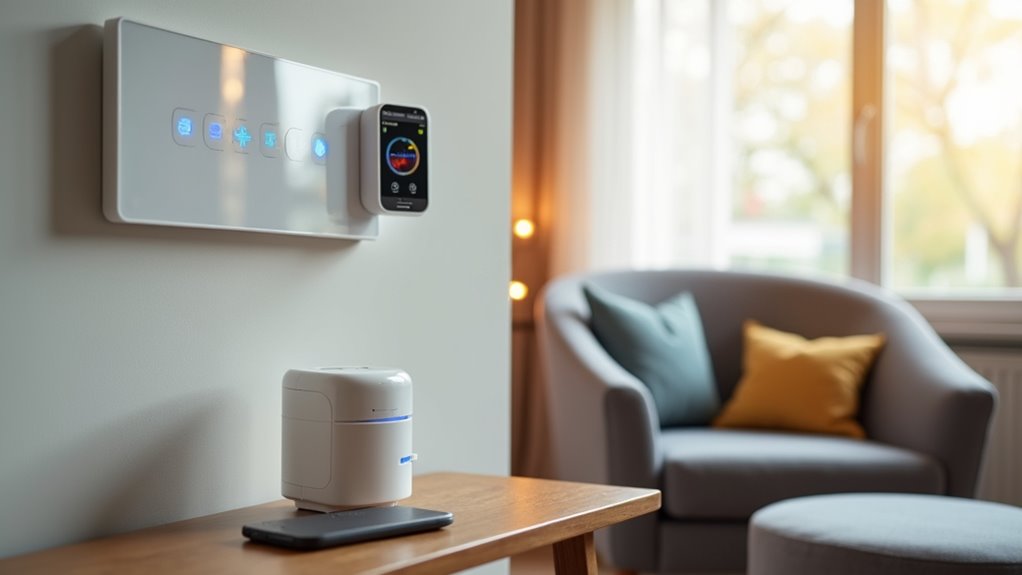
Here’s where technology swoops in like a digital superhero. Smart home features, medical alert systems, and telemedicine platforms are giving seniors what they desperately want: independence. Nearly half of older adults already use some form of assistive technology. They’re embracing wearable health devices that monitor their necessities, companion robots that chat with them, and voice assistants that actually understand their requests.
The benefits are obvious. Seniors maintain control over their daily lives while staying connected to healthcare providers through remote monitoring. Emergency alerts can summon help instantly. Social isolation? Digital communication tools handle that problem. Meanwhile, family caregivers get a break from constant worry.
But let’s be real—technology isn’t foolproof. Digital literacy remains a genuine hurdle for many seniors. Remote monitoring systems can malfunction at the worst possible moments, and cybersecurity threats lurk behind every connected device. Power outages can turn high-tech homes into isolated islands. Sometimes the very technology designed to help can create dangerous overconfidence. Smart medication dispensers help address medication compliance challenges by providing automated reminders and accurate dosing.
The industry sees dollar signs in this demographic shift. With the population aged 65 and older expected to jump from 58 million to 82 million by 2050, senior living operators are increasing their tech budgets by up to 30%.
They’re investing heavily in artificial intelligence, electronic health records, and automation systems. The pandemic exposed massive technological gaps in senior services, sparking innovation across the board. When choosing assistive technologies, seniors prioritize ease of use above all other features, with three-quarters of older adults considering this the most important factor. Motion sensors can automatically detect falls and immediately alert caregivers when a senior needs assistance.
Government policies are pushing this trend forward too, with funding initiatives promoting assistive technologies and incentives for telemedicine services. New construction models integrate tech solutions from the ground up.
Despite legitimate safety concerns about malfunctioning devices and reduced human oversight, seniors are voting with their feet—or rather, by keeping their feet planted firmly in their own homes.
Technology may not be perfect, but for most seniors, imperfect independence beats perfect institutional care.


