
Smart homes are game-changers for elderly care. They detect falls, monitor medications, and catch intruders—all automatically. Seniors control their environment with voice commands while smart appliances reduce physical demands. No more struggling with thermostats or heavy vacuums. Family members can check in remotely, easing worry. These technologies offer 24/7 protection without invading privacy. Unlike humans, these systems never need sleep breaks. The future of aging comfortably is already here.

As millions of elderly Americans face increasing challenges with daily living, smart home technology has emerged as a game-changer for aging populations worldwide. These tech systems aren’t just fancy gadgets for the young and tech-savvy anymore. They’re literal lifesavers for seniors.
Emergency response features provide instant access to help when needed. Someone falls? Motion sensors detect it. Fire breaks out? Smart smoke detectors spring into action. And those door sensors? They’re catching potential intruders before they become a real problem. It’s like having a 24/7 security guard who never sleeps or takes bathroom breaks.
Smart home tech gives seniors 24/7 protection without coffee breaks or shift changes.
Health monitoring takes elder care to another level. Essential signs tracked. Medication taken on time. Even the air quality is measured. Doctors can check in without seniors leaving home. Pretty convenient, right?
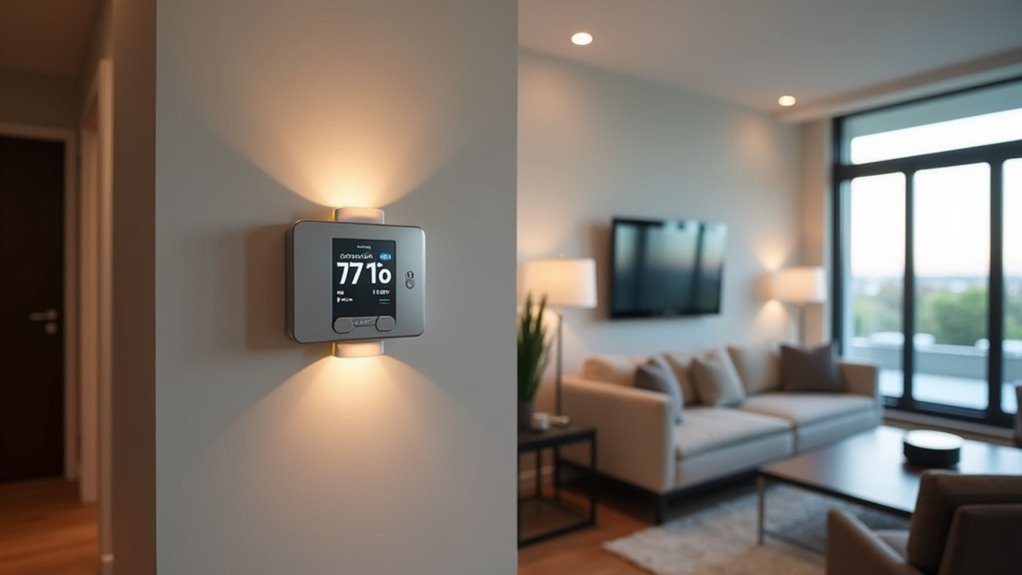
The independence factor cannot be overstated. Voice assistants let seniors control their environment by simply speaking. “Alexa, turn on the lights.” Done. No more fumbling for switches in the dark. Smart appliances reduce physical demands. Automated temperature systems adjust without lifting a finger. For seniors with mobility issues, this isn’t just convenience—it’s freedom. The integration of AI technology enhances the accuracy of threat detection while providing more intuitive interfaces for elderly users.
Quality of life improves dramatically with these systems. Video calling connects grandma to family miles away. Smart TVs provide entertainment. Energy-efficient devices even save money. Who doesn’t want lower bills? With approximately 80% of seniors now using smartphones, the transition to smart home technology has become increasingly accessible.
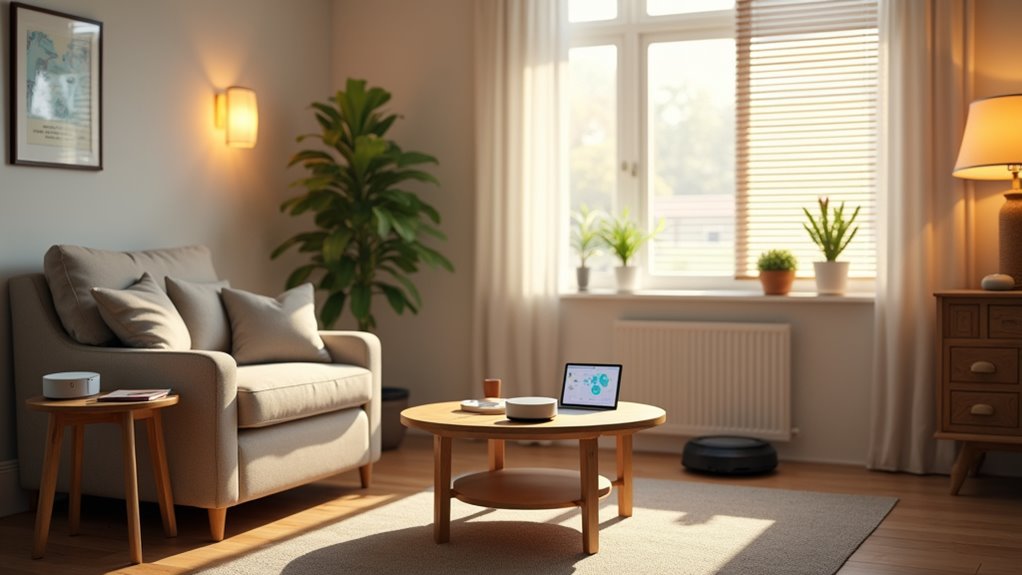
The big win? Aging in place. Seniors can stay home longer instead of moving to care facilities. Robot vacuums handle cleaning. Fall detection systems prevent dangerous situations. Daily activities get monitored without intrusion. These systems provide reassurance for families worried about their elderly loved ones’ daily routines and safety.
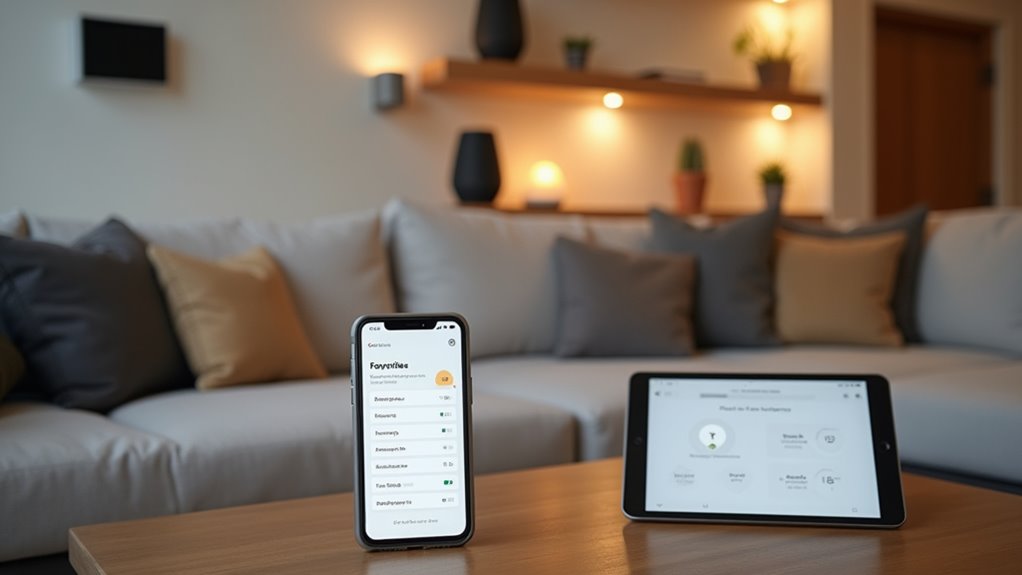
Caregivers benefit, too. Remote monitoring provides peace of mind. Real-time alerts for emergencies mean faster response times. Family members can check in or assist remotely. The burden of constant in-person supervision decreases substantially.
Smart homes aren’t perfect solutions for everyone. But they’re making independent living possible for millions who would otherwise need institutional care. Technology finally serving those who need it most. About time.
Did You Know
How Much Do Smart Home Systems Typically Cost?
Smart home systems come with a wide price range. Basic devices start around $50, while advanced setups can hit $2,000.
Professional installation? That’s another $100-500.
Don’t forget the monthly fees—security monitoring runs $20-100. Maintenance costs add up too.
DIY options save money but sacrifice features. The final bill depends on home size, brand choices, and how fancy you want to get.
Nothing’s ever simple with technology.
Are Smart Home Devices Difficult for Seniors to Use?
Smart home devices can be challenging for seniors. Limited tech experience and physical limitations create real barriers.
Small buttons, complex interfaces, and setup requirements? Not senior-friendly. Many older adults struggle with updates and troubleshooting.
It’s not impossible though. Simplified systems with voice controls bypass dexterity issues.
But the learning curve remains steep. Most seniors need ongoing support from family or caregivers to use these systems effectively.
What Happens if the Internet Connection Fails?
When internet connection fails, smart homes for seniors become dangerously useless. Emergency response systems can’t alert caregivers. Fall detectors go blind. Health monitors stop transmitting crucial data. No medication reminders. No video calls with doctors.
The psychological impact? Anxiety skyrockets. Isolation deepens. Trust in technology crumbles.
Some homes have backup systems—cellular networks, hybrid technologies, offline capabilities—but they’re not universal.
Many elderly are just…disconnected. Completely vulnerable.
Can Smart Homes Be Installed in Rental Properties?
Yes, smart homes can absolutely be installed in rentals.
Landlords can start small—smart plugs, bulbs, and thermostats are low-cost entry points with minimal installation hassle. They’re appealing to tenants while cutting utility costs.
Smart locks eliminate key management headaches.
Sure, there are challenges—infrastructure limitations in older properties, privacy concerns, and compatibility issues.
But the benefits? Improved property management, happier tenants, and better retention rates. Worth considering for any rental property owner.
Who Monitors the Data Collected by Smart Home Systems?
Smart home data monitoring typically involves multiple parties.
Families and caregivers receive alerts about unusual behaviors or missed routines.
Healthcare professionals analyze information for chronic disease management.
Service providers handle data collection and system maintenance.
Government agencies oversee privacy compliance.
It’s a whole ecosystem watching your every move.
Not creepy at all.
The level of monitoring depends on system setup and permissions granted by the elderly person.