
The smart home security market isn’t just growing — it’s practically sprinting. Valued at USD 40.38 billion in 2025, the global market is projected to hit USD 163.15 billion by 2035. That’s not a typo. A nearly four-fold increase in a decade. The CAGR driving this? A relentless 14.99% annually from 2026 to 2035.
The smart home security market isn’t slowing down — it’s racing toward USD 163.15 billion by 2035.
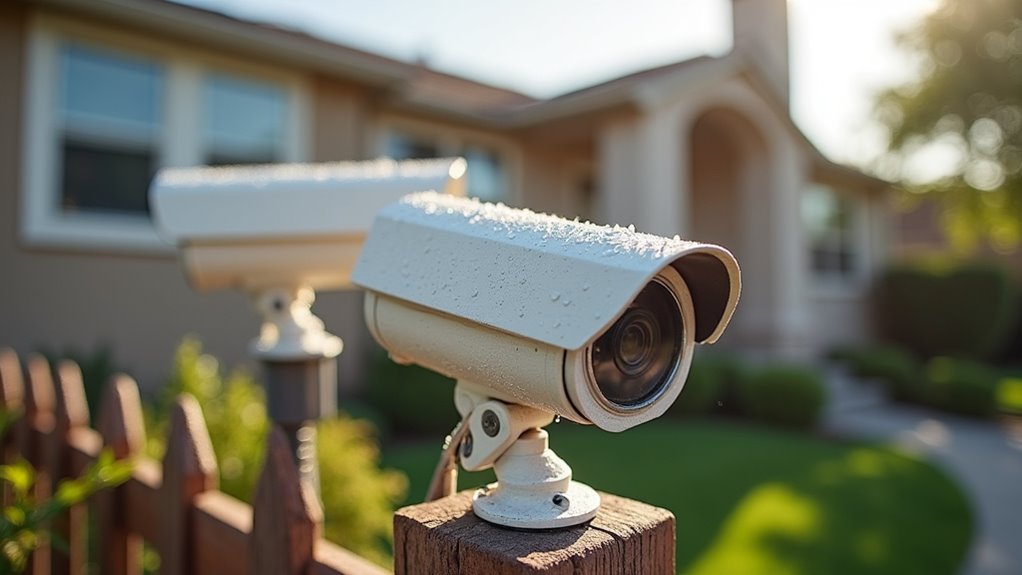
America isn’t sitting on the sidelines either. The U.S. market sits at USD 11.95 billion in 2025 and is charging toward USD 49.43 billion by 2035, growing slightly faster than the global average at 15.26% CAGR. And U.S. smart home security cameras? Even wilder. A 22.9% CAGR from 2026 to 2033. Camera revenue alone jumps from USD 3.68 billion in 2024 to over USD 22 billion by 2033. People really, really want to see who’s at their door.
North America dominates with a 37% market share in 2025. But Asia Pacific is coming fast. Fastest-growing region, 17.5% CAGR. Latin America and the Middle East are also picking up speed. The growth isn’t concentrated anymore. It’s spreading everywhere.
Hardware still runs the show, holding 57% of the market in 2025. But software is the one to watch. Projected 18.2% CAGR through 2035. AI-driven monitoring, cloud platforms, machine learning for threat detection — this is where the real action is brewing. Smart cameras and monitoring hold the largest device share. Smart locks are expected to post the highest CAGR. Wireless connectivity leads. Hybrid connectivity is expanding fast.
What’s fueling all of this? IoT adoption, obviously. More AI. More urbanization. Higher disposable incomes. Remote work permanently changed how people think about home security. Consumers are simply more aware now. They want protection, and they’re willing to pay for it. Major industry players including Vivint, Ring, and Honeywell are aggressively positioning themselves to capture this surging demand across both established and emerging markets.
5G is accelerating integration across devices. Video doorbells and energy-efficient gadgets are pulling in new buyers. Offline retail still controls 53.8% of distribution in 2026, which is honestly surprising given how digital everything else has become. But the numbers don’t lie. This market is moving fast, and it shows no signs of slowing down. Cybersecurity threats are adding urgency to the entire sector, with SonicWall reporting a 124% increase in attacks on smart home devices in 2024 alone. Security experts consistently warn that 80% of smart home devices remain vulnerable to cyberattacks, making robust security solutions not just a luxury but a critical necessity for modern households.