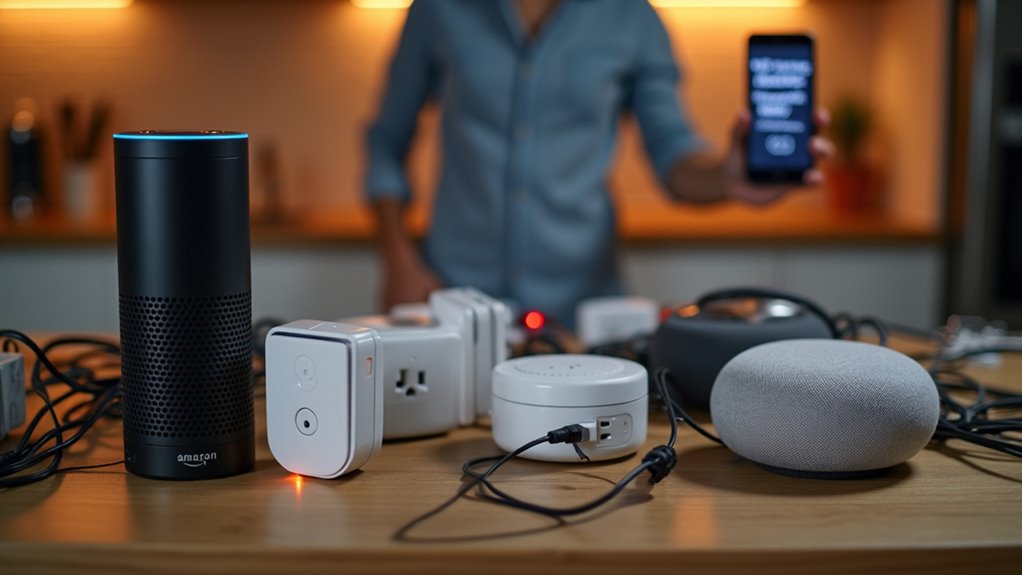
China is done playing nice. The Ministry of Industry and Information Technology (MIIT) is drafting mandatory national standards that would force smart home devices to work together, regardless of brand. No more walled gardens. No more “sorry, this only works with our ecosystem” nonsense.
China is done playing nice — mandatory standards are coming, and walled gardens are about to be demolished.
For years, tech giants like Huawei, Alibaba, and Xiaomi have been running their own proprietary systems. Consumers buying into one brand’s smart home setup often found themselves locked in. Want to mix and match appliances? Good luck. The fragmentation was real, and it was deliberate.
MIIT is now stepping in as the central authority to end that. The standards are compulsory, not optional. Every manufacturer will have to comply.
Zhao Lei, vice president of Midea Group and president of its smart home business group, confirmed MIIT is leading the drafting process. Midea, which already runs smart home experience centers in Beijing, is actively involved in shaping what comes next.
The goal is straightforward. Seamless integration across brands. A unified market where whole-house intelligence setups actually function without brand loyalty being a technical requirement. The drafting process is already underway as of March 2026, though no specific enforcement date has been announced yet.
This push doesn’t exist in isolation either. It ties directly into China’s 2026-2028 digital transformation policy frameworks, including the Action Plan for Industrial Internet Platforms. That plan targets 120 million device connections by 2028 and wants platform application penetration to exceed 55%. These smart home standards are a piece of a much larger puzzle involving AI integration, industrial internet expansion, and what China calls “new quality productive forces.”
The broader market impact is significant. Smart home products, wearables, in-vehicle devices, all fall within scope. The compulsory standard is specifically designed to address long-standing market fragmentation that has persisted across the consumer appliance sector. Protocols like Zigbee have long demonstrated that mesh networking technology can enable devices from different manufacturers to communicate efficiently within a shared framework. China is positioning itself to lead on standardized smart ecosystems globally. Complementing this regulatory push, China’s Ministry of Ecology and Environment has also issued revised technical standards effective March 1, 2026, governing the disposal and recycling of waste electrical and electronic products, expanding coverage to include drones and wearables.
Whether tech giants will comply enthusiastically is another question entirely. They built these closed systems on purpose. Giving up control is rarely something big companies do willingly. But when the government makes something mandatory, enthusiasm becomes irrelevant.