Matter compatibility is expanding fast. Smart lights, plugs, thermostats, door locks and security systems now work with this protocol. Major brands like Apple, Google, Samsung and Amazon have jumped on board. Users can finally ditch multiple apps and enjoy faster response times with local communication. No more ecosystem headaches. Buy products for their features, not their brand loyalty requirements. More device categories are coming soon to this smart home transformation.

Increasingly, the smart home market faces a frustrating problem: devices that don’t talk to each other. The confusion ends up with consumers juggling multiple apps just to turn on a light. Ridiculous, right? Matter aims to fix this technological mess by improving interoperability across smart home systems.
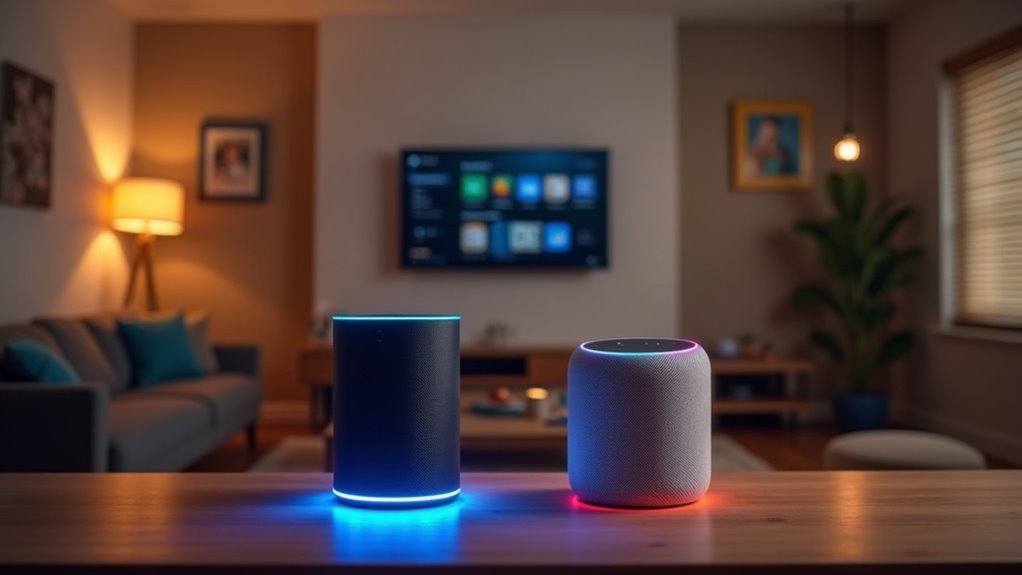
The beauty of Matter lies in its compatibility with major ecosystems. Apple HomePod, Google Nest Hub, Samsung SmartThings hubs, and Amazon Echo devices—they all work with Matter now. No more “this or that” decisions when shopping for smart home tech. Finally.
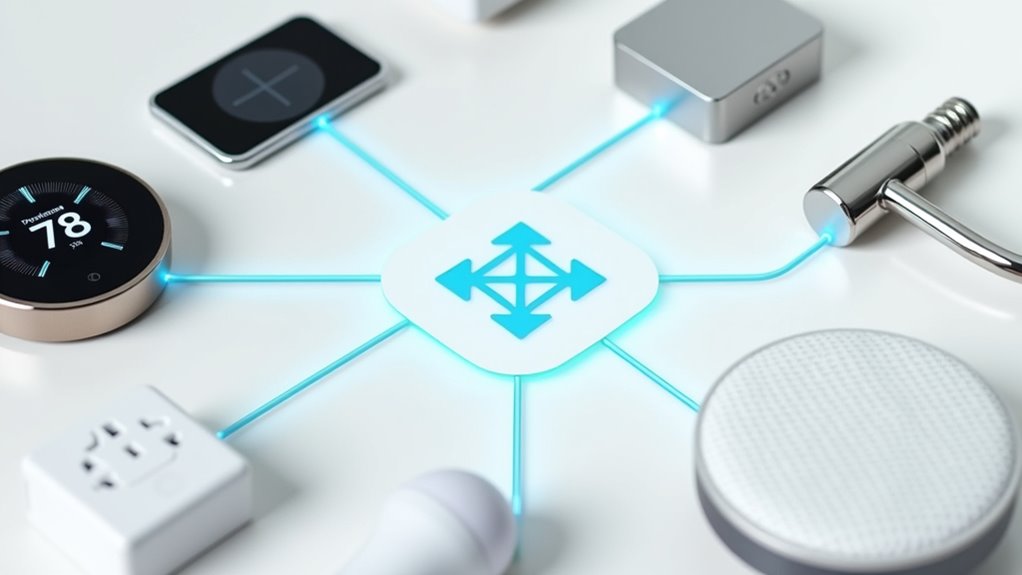
Matter supports an impressive range of device categories. Smart lighting, plugs, thermostats, door locks—they’re all invited to the party. Home sensors, security systems, and even smart blinds made the cut too. The standard keeps expanding, with more device types expected in future updates.
Everything works locally. This means faster response times and better reliability since devices communicate directly through your home network instead of bouncing requests through distant servers. Cloud outage? Not your problem anymore.
Smartphones integrate seamlessly with Matter through various apps. Apple Home (iOS 16.1+), Google Home, Amazon Alexa, Samsung SmartThings, and Eve—take your pick. They all speak the same language now. Control everything from anywhere using whatever app you prefer. You can easily identify Matter-compatible devices by looking for the three round-tipped arrows logo on product packaging.
The advantages are clear. Interoperability between different brands. Local commands that don’t lag. Improved security from reduced cloud dependencies. Simpler setup processes. And the ability to control everything from multiple platforms simultaneously. It’s about time.
Leading tech giants have welcomed the standard wholeheartedly. Apple’s HomeKit works with Matter. Google’s Nest ecosystem? Compatible. Samsung and Amazon jumped on board too. Matter also improves compliance with GDPR-compliant data handling by keeping more of your information local instead of in the cloud. For optimal integration, regular software updates are essential to maintain compatibility across your smart home ecosystem. The smart home industry finally grew up and started cooperating.
The days of isolated smart home devices are numbered. Matter has arrived, and it’s making everything just work. Together. As it should have from the beginning.
Did You Know
Is Matter Backwards Compatible With Older Smart Home Devices?
Matter compatibility with older devices is mixed. Some can be updated via firmware if hardware allows, while others require bridges.
Manufacturers like Philips Hue and Google offer updates for legacy products. But reality check: many older devices lack sufficient processing power or memory.
The bridge solution works pretty well though – letting Zigbee and Z-Wave devices join the Matter party through middlemen. Not perfect, but better than nothing.
How Secure Is Matter Compared to Other Smart Home Protocols?
Matter outshines other protocols with serious security muscle. AES-128 encryption, zero-trust authentication, and end-to-end protection make it tougher than Zigbee or Z-Wave.
Local control means less cloud vulnerability. The kicker? It’s IP-based, not stuck in proprietary land.
Not perfect though. Manufacturers still need to implement things right, and security cameras aren’t even supported yet.
But overall? Matter raises the bar considerably.
Will Matter Eliminate the Need for Multiple Smart Home Hubs?
Matter directly addresses the multi-hub headache.
Yes, it eliminates the need for brand-specific hubs by enabling one Matter-certified hub to control all compatible devices.
No more Apple/Google/Amazon silos. Devices communicate locally across platforms without internet dependency—faster response times, better reliability.
The days of hub hoarding are numbered. Not everything’s Matter-compatible yet, but the industry’s clearly moving in this direction.
Smart home simplification at last.
Can Matter Devices Work During Internet Outages?
Yes, Matter devices can work during internet outages. That’s actually one of their big selling points. They operate on local networks using Thread or Wi-Fi, communicating through hubs within your home.
No internet? No problem—usually.
Not all Matter controllers handle offline scenarios equally, though. Some still need internet access. And cloud-dependent features won’t work, period.
Want reliability offline? Choose hubs with strong local capabilities and keep your firmware updated.
Does Matter Support Voice Assistant Integration Across Different Platforms?
Matter absolutely supports cross-platform voice assistant integration. It’s kind of the whole point.
Amazon Alexa, Apple Siri, Google Assistant—they all play nice with Matter-certified devices. No more ecosystem lock-in. Your smart light responds to Siri today, Alexa tomorrow.
Same network required, of course. Communication happens over Wi-Fi, Thread, and BLE.
The big tech companies finally agreed on something useful for consumers. Shocking, right?