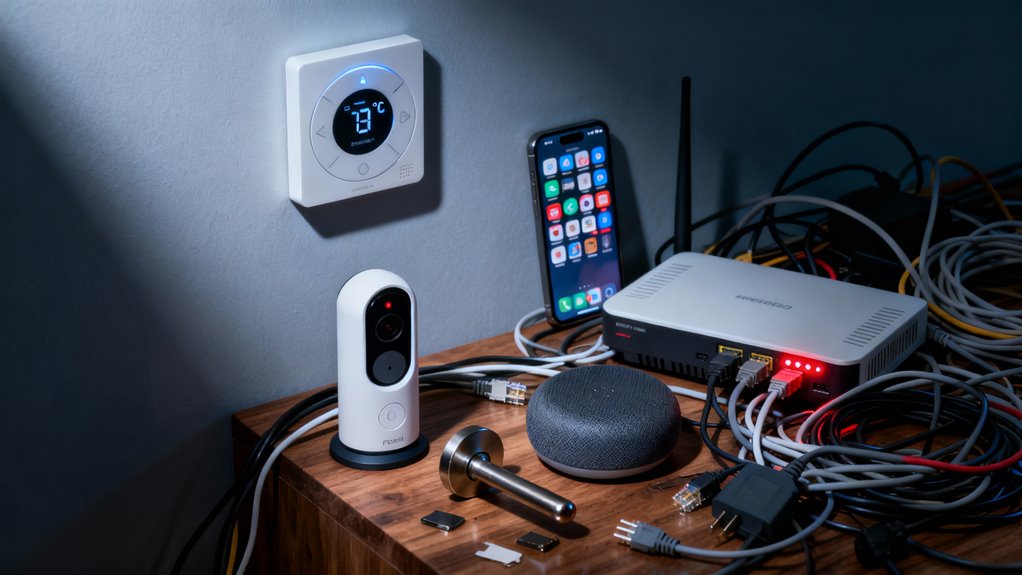
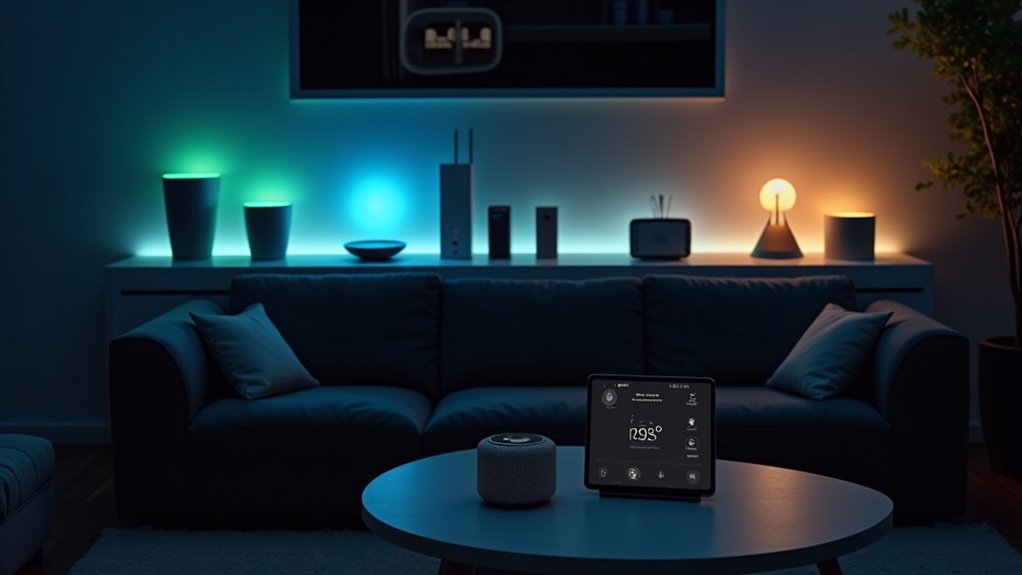
While Apple has long played gatekeeper to its precious smart home ecosystem, the tech giant is about to flip the script entirely. The company’s upcoming HomeKit overhaul isn’t just another tech update – it’s Apple muscling its way into your living room with AI-powered authority.
Come fall 2025, Apple’s forcing everyone to upgrade or get left behind. That vintage iPad you’ve been using as a home hub? Toast. The new system demands iOS 16.4 or newer, and it’s not sorry about it.
Goodbye, trusty old iPad. Apple’s new HomeKit revamp is kicking legacy devices to the curb, demanding fresh hardware for admission.
But here’s the kicker: this iron-fisted approach might actually make sense. The revamped HomeKit architecture processes everything locally, unlike competitors who can’t seem to keep their heads out of the cloud. The focus on on-device models aims to deliver faster interactions while maintaining enhanced privacy.
The timing couldn’t be more calculated. With the smart home market projected to hit $243 billion by 2030, Apple’s betting big on AI integration. They’re opening their AI models to third-party developers (shocking, we know) and boosting Siri with enough smarts to actually be useful. The platform’s local communication ensures your smart devices respond faster without relying on distant cloud servers.
The new system will recognize family members, control devices, and probably judge your decorating choices – all while keeping your data private. The innovative Face ID doorbell promises keyless entry through facial recognition, bringing a new level of convenience to home security.
Apple’s also rolling out fancy new hardware with AI-powered displays and 2K resolution cameras that can tell your aunt from a burglar. Thread networks and Matter compatibility mean your devices will play nice together, even if they’re not sporting an Apple logo. It’s like they’re finally letting other kids into their exclusive treehouse club.
The real genius? Apple’s building an ecosystem that’s harder to leave than a Vegas casino.
Every upgrade, every new feature, every shiny device pulls users deeper into Apple’s web of convenience. Sure, it’s controlling – but it works. Local processing, improved security, and seamless automation make for a compelling package.
And while some users might grumble about being forced to upgrade, Apple’s betting they’ll stick around for the show. After all, who doesn’t want a home that’s smarter than their neighbor’s?