The shift isn’t subtle. It’s aggressive—though whether every household actually needs this level of automation remains debatable.
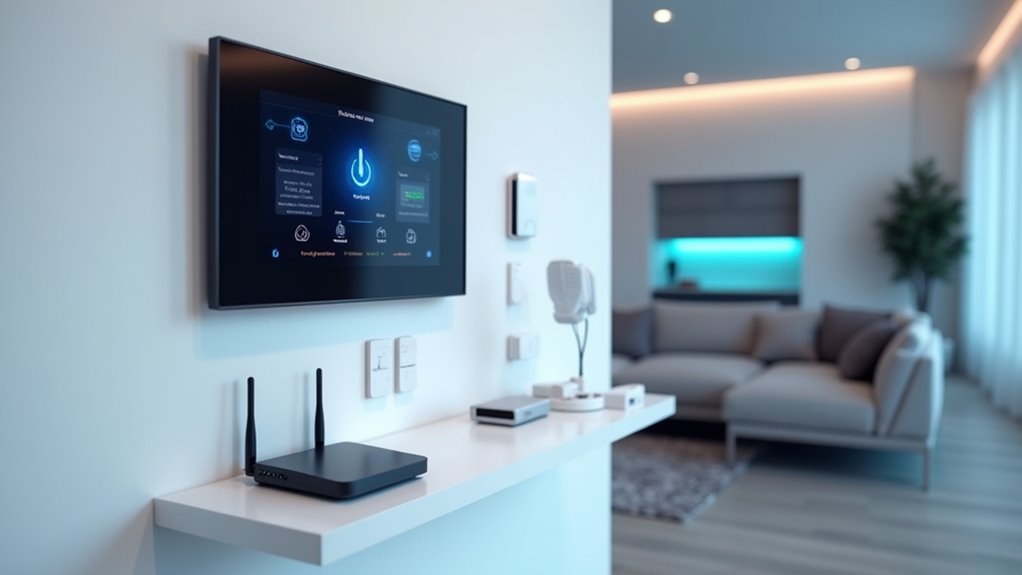
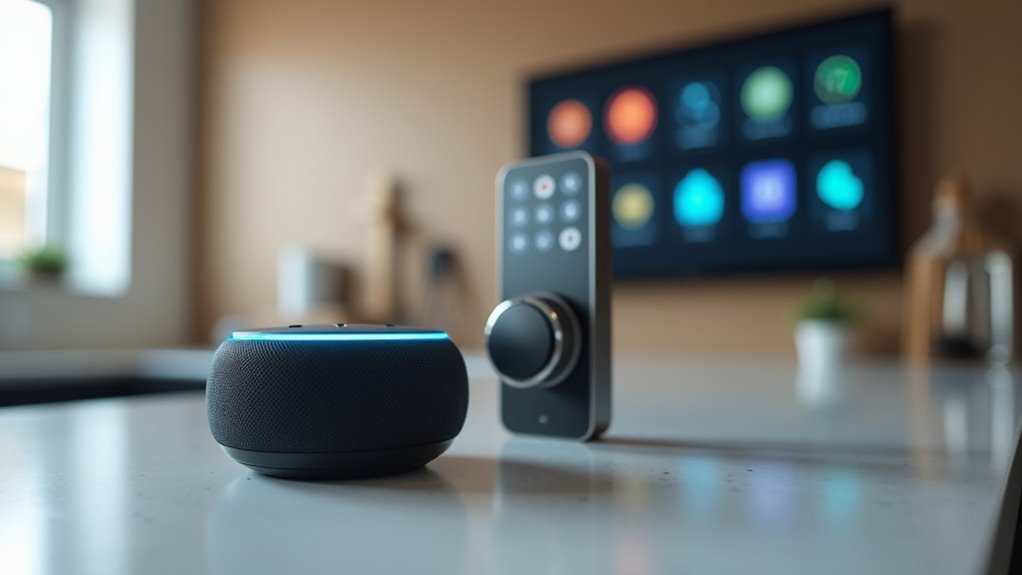
The company’s Wiser Smart Home Automation lets people control lights, appliances, and security systems through voice commands or apps. Google Assistant, Alexa—take your pick.
Here’s the real kicker: installation takes under four hours without ripping apart walls or rewiring anything. That’s genuinely impressive for anyone who’s endured the chaos of last-minute renovations while preparing mithai in the kitchen and cleaning for guests simultaneously.
India’s smart home market appears to be exploding, driven by wireless tech spreading through urban centers and increasingly into smaller towns. E-commerce expansion makes buying this stuff seamless—you can order smart switches between shopping for diyas online.
Even so, the timing matters when you’re scrambling to upgrade before the extended family descends. Festive home improvements now include things like air quality indicators built right into Miluz Zeta switches. Because monitoring PM2.5 levels while dimming the living room lights for rangoli viewing is apparently where we’re at now.
Energy management gets surprisingly transparent. Real-time data shows exactly how much power that decorative lighting display burns through. WiFi-enabled switches track usage patterns and feed you analytics—helpful when your electricity bill typically doubles during Diwali week.
Scheduling features cut waste and might actually lower those bills. It’s sustainability wrapped in convenience, though whether it offsets the environmental cost of manufacturing all these devices is another question entirely.
Safety features come standard, which makes sense. Voltage Surge Protectors guard your new 65-inch TV and grandmother’s vintage mixer-grinder during those high-usage festival periods when half the neighborhood seems to be running everything at once.
Acti9 Active supposedly detects faults early, preventing hazards before they escalate—crucial when you’re deep-frying enough snacks to feed forty relatives. Smart locks and video surveillance let homeowners monitor properties remotely. Handy during temple visits or when you need to check if uncle actually locked the gate after arriving at 2 AM.
The customization angle feels genuinely useful. You can create different automation routines for various festival activities, saving you from constantly adjusting settings manually. You can adjust lighting scenes for puja ceremonies, control fan speeds when the house gets packed, manage blinds—all through interfaces that your tech-phobic aunt might actually understand.
Those USB A+C chargers handle the inevitable pile of smartphones that appears whenever cousins gather. Plus, product designs seem to blend traditional aesthetics with modern tech reasonably well. Your home won’t necessarily scream “tech showroom” to visiting relatives.
Traditional Indian homes aren’t technically obsolete. Not yet anyway. But they’re starting to feel that way, especially when your neighbor controls their entire Diwali lighting display from their phone while you’re still hunting for extension cords.
Smart automation during festive seasons isn’t just about convenience anymore—it’s becoming an expectation, at least in certain circles. The system integrates electrical, multimedia, and telecommunications into a single platform that manages everything from entertainment to climate control. Schneider Electric is banking on that shift, hard. The company operates with a large global ecosystem ensuring proximity to customers wherever they are. Whether the rest of India follows suit probably depends on pricing as much as preference.