Smart homes transform daily life through automation. Thermostats adjust automatically while smart plugs cut energy waste. Security features let homeowners monitor property from anywhere—seeing visitors, tracking entries, detecting leaks. Entertainment follows residents room-to-room with seamless control. For elderly users, voice commands and health monitoring promote independence. Sustainability options optimize water and energy usage. It’s not just gadgets; it’s about creating an efficient, comfortable, and secure living environment. The possibilities extend far beyond these basics.
While traditional homes require manual operation of various systems, smart homes are changing how people interact with their living spaces. The old days of manually adjusting thermostats or worrying if you locked the door are behind us. Smart thermostats now learn your habits and adjust temperatures automatically. They’re practically psychic.
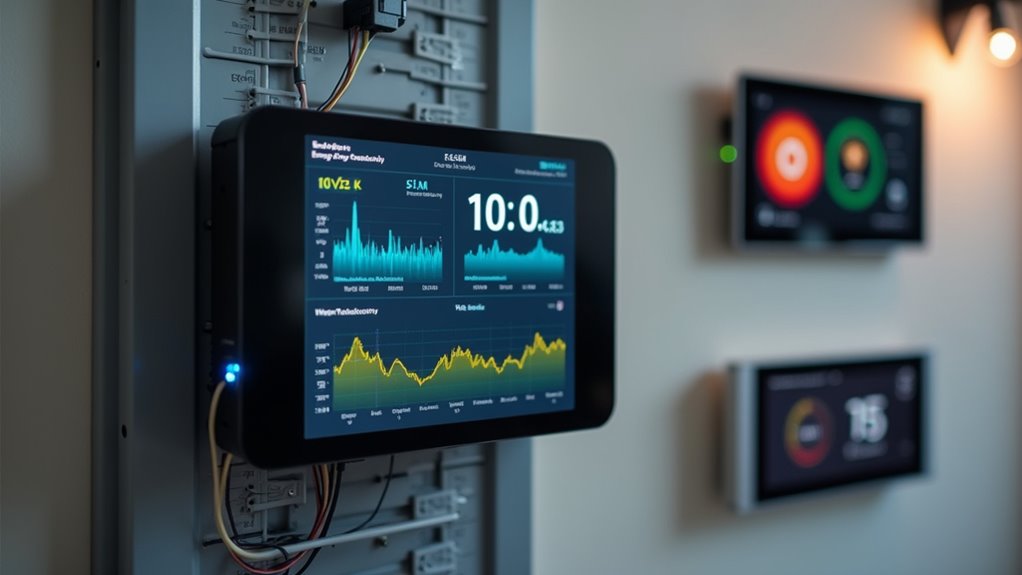
And those pesky energy vampires? Smart plugs cut standby power consumption when devices aren’t in use. Real-time monitoring systems show exactly what’s eating your electricity budget. No more excuses for high bills.
Security gets a major upgrade too. Smart locks track who comes and goes. No more keys under the doormat—amateur hour is over. Video doorbells let homeowners see visitors without opening the door or even being home. Talk about avoiding unwanted conversations.
Say goodbye to doormat keys. Smart security lets you screen visitors from anywhere — awkward conversations optional.
Motion sensors and cameras send alerts straight to phones. Leak and smoke detectors provide early warnings before small problems become disasters. The house basically babysits itself.
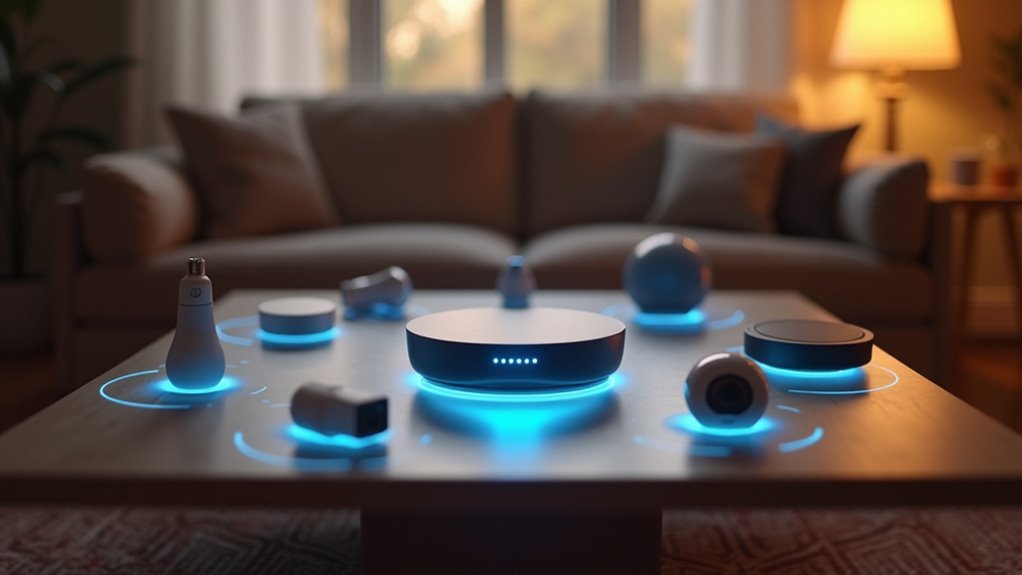
Voice assistants have transformed convenience. “Turn off the lights” actually works now. No buttons needed. Smart kitchens preheat ovens and start coffee makers before sleepy homeowners stumble downstairs. Climate systems maintain perfect temperatures and humidity levels automatically. LoRa technology provides reliable connectivity with extended battery life for these smart devices. It’s like having an invisible butler, minus the judgment.
Entertainment options explode in smart homes. Music follows residents from room to room. TV streaming integrates seamlessly with other systems. Home theaters adjust lighting, sound, and visuals with a single command. Everything’s controllable from a phone app. Couch potatoes have never had it so good.
These technologies particularly benefit those with mobility challenges or elderly residents. Voice commands eliminate physical barriers. Smart beds monitor sleep patterns. Fall detection sensors provide peace of mind. Medication reminders improve health outcomes. People age in place longer, with greater independence.
Sustainability improves too. Smart irrigation prevents water waste. Solar panels integrate with home systems. Even recycling gets smarter. Washing machines optimize resource use. The convenience of controlling all these features through centralized access via smartphones or smartwatches makes managing sustainability effortless. Predictive analytics help detect potential issues before they become problems, enhancing both security and maintenance. The data helps create more eco-friendly habits. Not bad for a bunch of fancy gadgets.
Did You Know
How Much Does Setting up a Smart Home System Cost?
Smart home costs vary wildly. DIY systems range from $250 to $10,000, depending on what gadgets you want.
Basic setups average $2,000-$4,000. Going pro? Prepare to shell out between $15,000 and $120,000. Size matters—bigger homes need more stuff. Add fancy features, and costs skyrocket.
Smart systems run about 30% more than traditional wiring. Worth it? Maybe. They can save energy costs long-term.
Are Smart Home Devices Vulnerable to Hacking?
Smart home devices are absolutely vulnerable to hacking. About 80% of IoT devices face potential cyberattacks.
Hackers exploit weak security measures, unsecured connections, and cryptographic flaws in companion apps. They’ve stolen data through smart fish tanks, accessed baby monitors to talk to children, and manipulated thermostats during extreme weather. Pretty terrifying stuff.
Man-in-the-middle attacks and malware are common techniques used to gain unauthorized access and control.
Can I Install Smart Home Devices if I Rent?
Renters can absolutely install smart home devices. Many options require no structural alterations—smart plugs, bulbs, and voice assistants are completely removable.
Even smart locks and thermostats can be swapped back at move-out. Landlords often approve these changes since they boost property appeal and security. Just avoid permanent installations like hardwired systems.
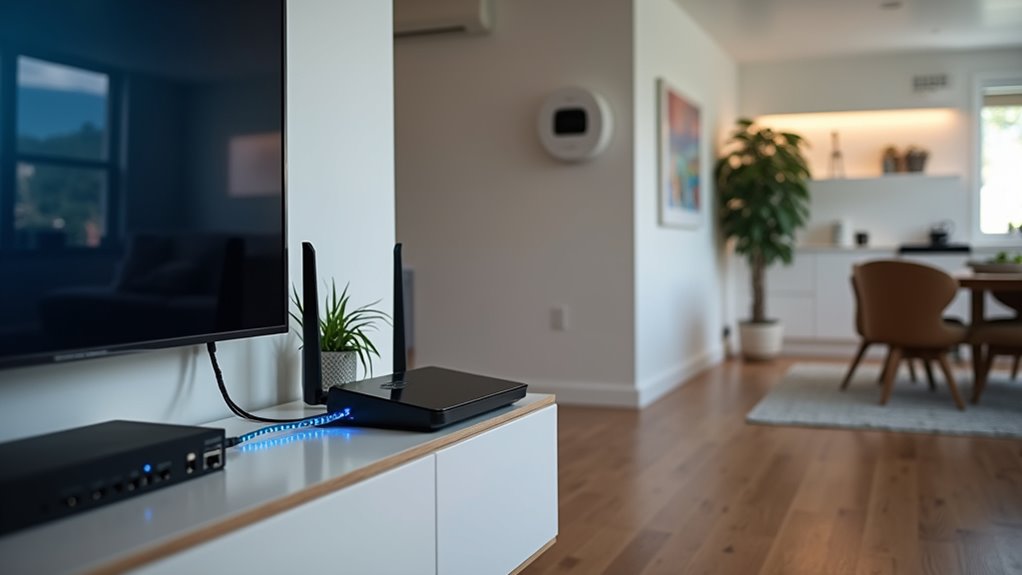
Document everything. And remember, that internet infrastructure matters. No point having fancy gadgets with crappy Wi-Fi.
Do Smart Homes Work During Power Outages?
Smart homes mostly fail during power outages.
No electricity, no smart stuff. Period.
Cloud-based devices like Echo and Google Home? Dead.
Smart hubs without backup batteries? Useless.
Some devices with battery backups—smart locks and thermostats—might keep working temporarily.
Manual overrides exist for certain gadgets, thankfully.
Want preparation? Invest in UPS systems, generators, or solar backups.
Or just keep some candles handy.
Technology’s great… until it isn’t.
Will My Existing Appliances Work With Smart Home Systems?
Most existing appliances can work with smart home systems through retrofit solutions. Smart plugs connect non-smart devices to Wi-Fi networks. Infrared blasters control old TVs and ACs.
However, true integration depends on connectivity protocols—Wi-Fi, Zigbee, Z-Wave, or Bluetooth. Some appliances remain stubbornly analog. No matter what fancy logos appear on packaging, compatibility varies wildly between ecosystems.
Older stuff? Limited functionality, but not useless.