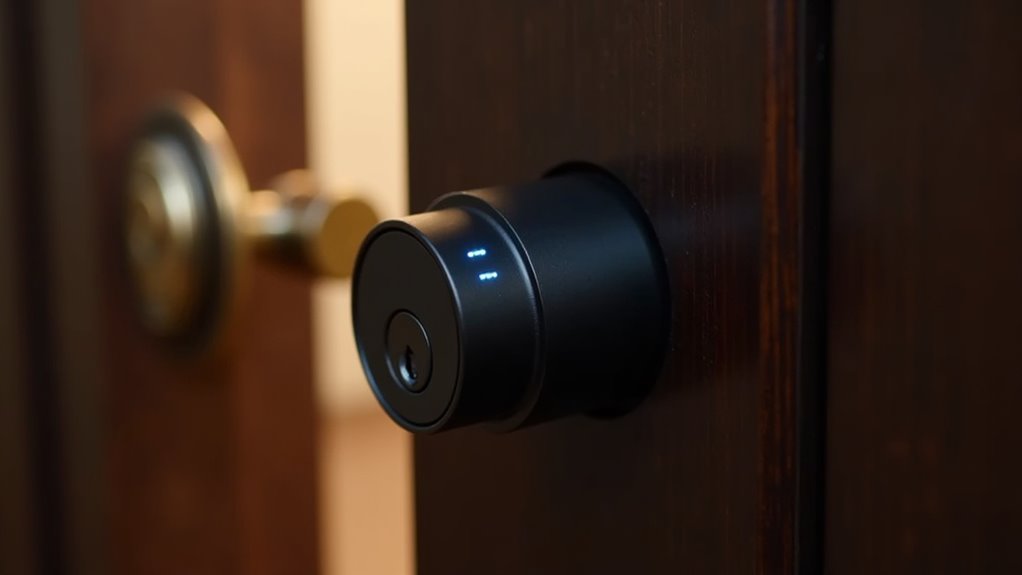
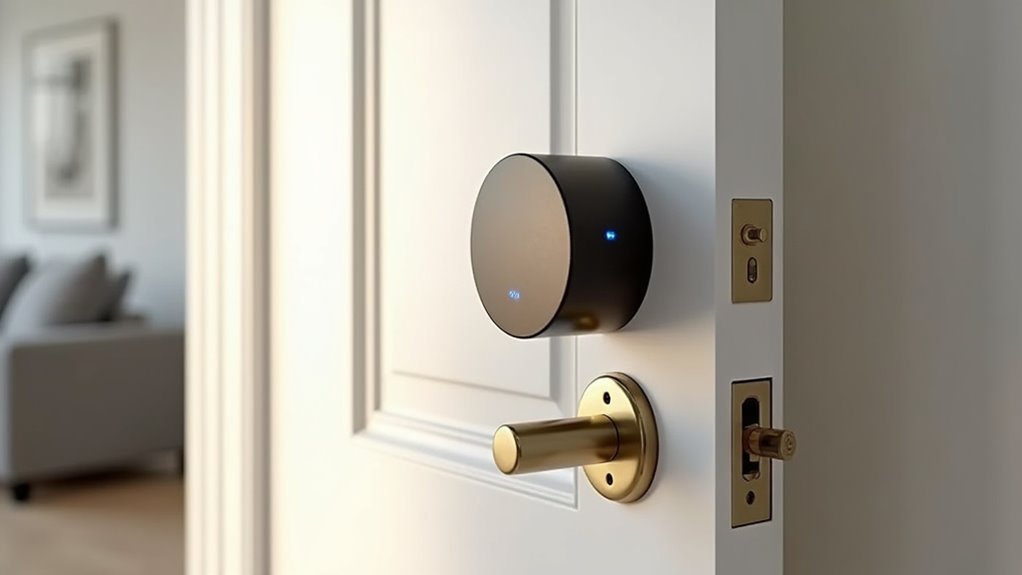
The latest smart locks don’t want your fingerprints anymore. They want to scan the veins inside your palm like something straight out of Minority Report. Lockin, Eufy, and TCL are pushing palm vein recognition tech that reads over 50,000 data points from the blood vessels beneath your skin. No touching required.
The technology sounds absurd until you hear the numbers. These locks claim 99.9% accuracy rates—though TCL’s D2 Pro takes it to an almost comical 99.9999% precision. False acceptance rates? Below 0.00001%, apparently. That would make your typical fingerprint scanner look about as secure as a screen door. Near-infrared light hits your palm and maps the unique pattern of veins underneath. Since those patterns are internal, they’re presumably nearly impossible to fake or replicate. Good luck trying to spoof that with a gummy bear mold.
Speed isn’t an issue either. Lockin’s Venokey releases in 0.17 seconds; TCL’s takes 0.3. Blink and you’ve missed it. What’s interesting is these locks supposedly don’t care if your hands are wet, dirty, or covered in motor oil from fixing your car. Got arthritis? Lost a finger in a woodworking accident? The veins should still be there, doing their thing.
Palm vein locks work in 0.17 seconds through wet hands, dirt, or missing fingers—your veins don’t care.
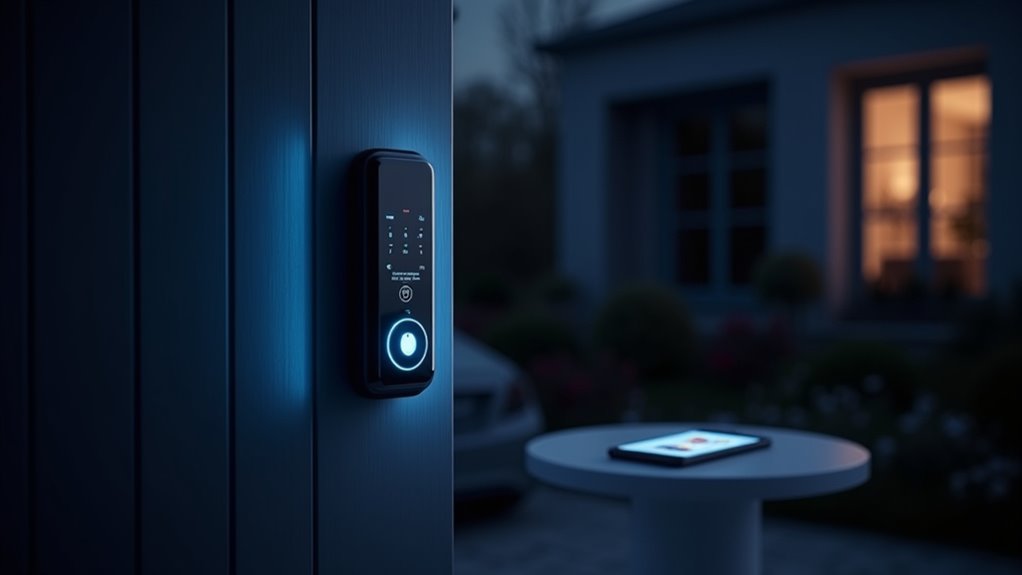
The paranoid will appreciate that everything processes locally—no sending your biological data to some server farm in who-knows-where. These locks meet BHMA Grade 1 certification, the highest security standard available. On top of that, they’re packing cameras, doorbells, and smart home integration. Lockin’s LockinCam features a 180° ultra-wide camera with 2K resolution for comprehensive door coverage. Wi-Fi 6 connectivity, motion detection alerts, anti-tamper alarms. The works.
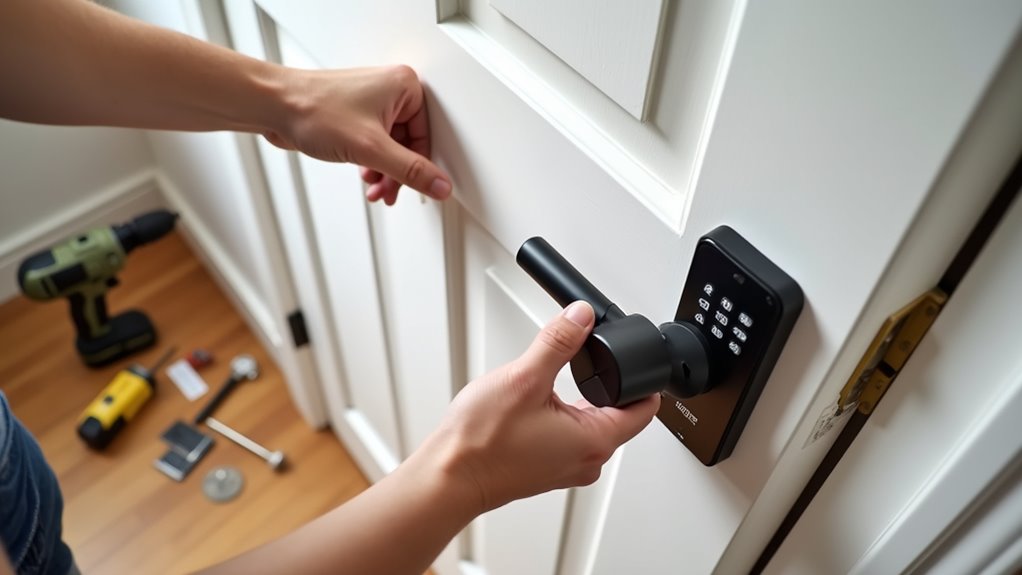
Lockin says they’re planning to pump out 15 million units annually once their factory expansion wraps up. Both residential and commercial buyers seem to be jumping in, which makes sense. Unlike wireless alternatives, these wired smart locks offer enhanced security against potential jamming attacks. No keys to lose when you’re juggling groceries, no codes to forget when you’re half-awake, no grimy fingerprint scanner to clean after your kids smear peanut butter on it. The technology’s contactless operation also means you’re not touching the same surface hundreds of other people have touched—a selling point that wasn’t on anyone’s radar five years ago.
At $130, these sci-fi locks aren’t exactly impulse buys. That said, for families tired of teenagers losing house keys and elderly users whose arthritic hands struggle with traditional locks, palm vein readers might offer something legitimately useful.
The future of home security apparently involves waving at your door like you’re greeting an old friend. Strange times indeed.