Forget fumbling with keycards or worrying about someone peeking over your shoulder while you punch in a password. The future of home security has arrived, and it looks straight out of Tony Stark’s playbook. Palm vein scanners are now making their way from high-security corporate buildings to residential front doors, bringing Hollywood-level biometric authentication to suburban America.
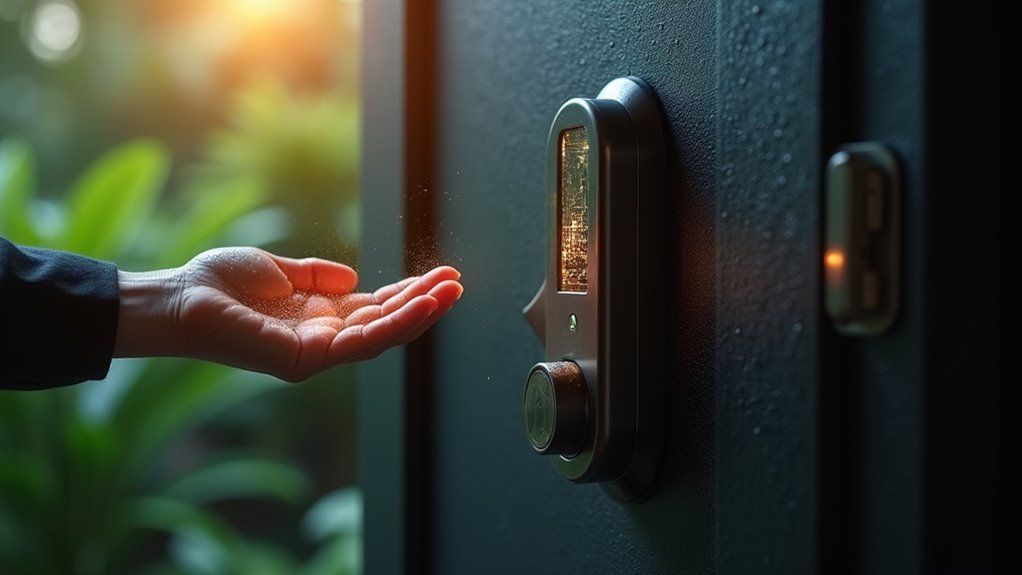
The technology works like something from a sci-fi movie. Users simply hover their palm over a scanner that emits near-infrared light to capture the unique vein patterns hidden beneath the skin. No touching required. The system reads the distinctive roadmap of blood vessels inside your palm, creating a digital template that’s virtually impossible to fake or forge. Unlike fingerprints that can be lifted from surfaces or facial features that can be photographed, these vein patterns exist under the skin where nobody can see them.
Here’s the kicker: the scanner only works when blood is actively flowing through those veins. Dead tissue won’t fool this system. That hemoglobin absorption creates an authentication method that’s genuinely tamper-proof. No more worrying about someone making a mold of your finger or holding up a photo to trick facial recognition software.
The contactless nature solves another modern problem entirely. Nobody wants to touch the same surface that hundreds of other people have pressed their grimy fingers against. This scanner maintains hygiene standards while delivering authentication in under a second. Fast, clean, secure.
Over 100 million people worldwide already use palm vein technology in banking and healthcare settings. Now that same military-grade security is scaling down to residential applications. These scanners work as a natural complement to Hand Geometry Recognition in multimodal security systems for homeowners wanting comprehensive protection.
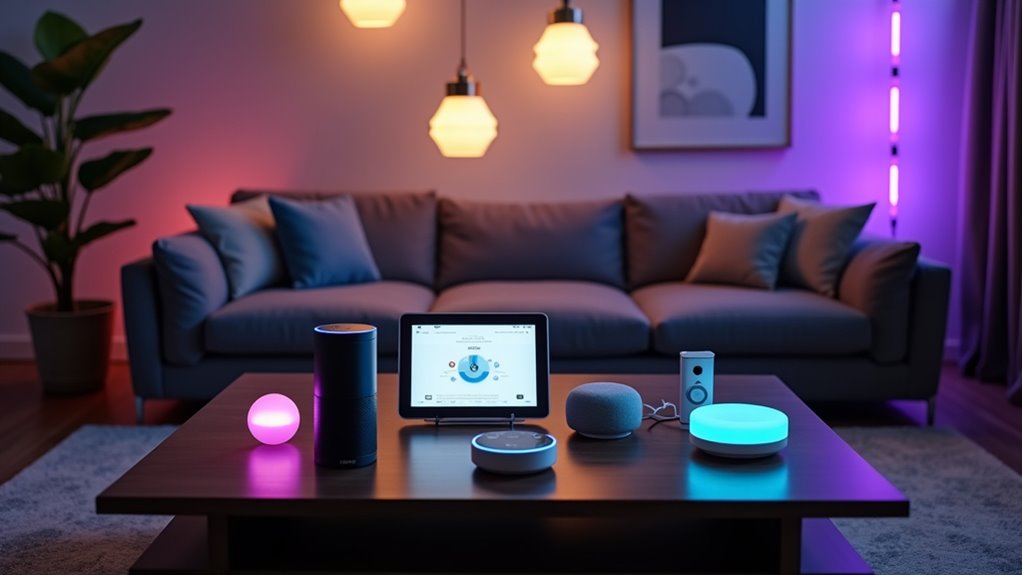
The encrypted digital templates can integrate with existing smart home systems and support multi-factor authentication for those who want extra layers of protection. The system accommodates users aged 5 and above, making it suitable for families with children who need secure access.
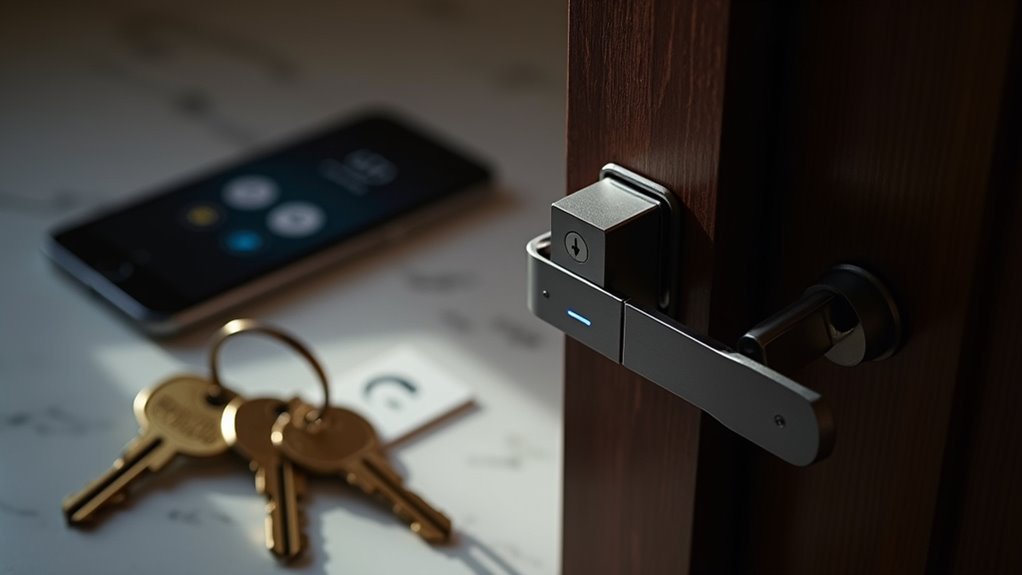
The system resists environmental factors that plague other biometric methods. Cuts, dry skin, or dirty hands won’t interfere with recognition. For homeowners tired of lost keys and forgotten codes, palm vein scanners offer a glimpse into a future where your body becomes your most secure password. No more hiding spare keys under fake rocks.