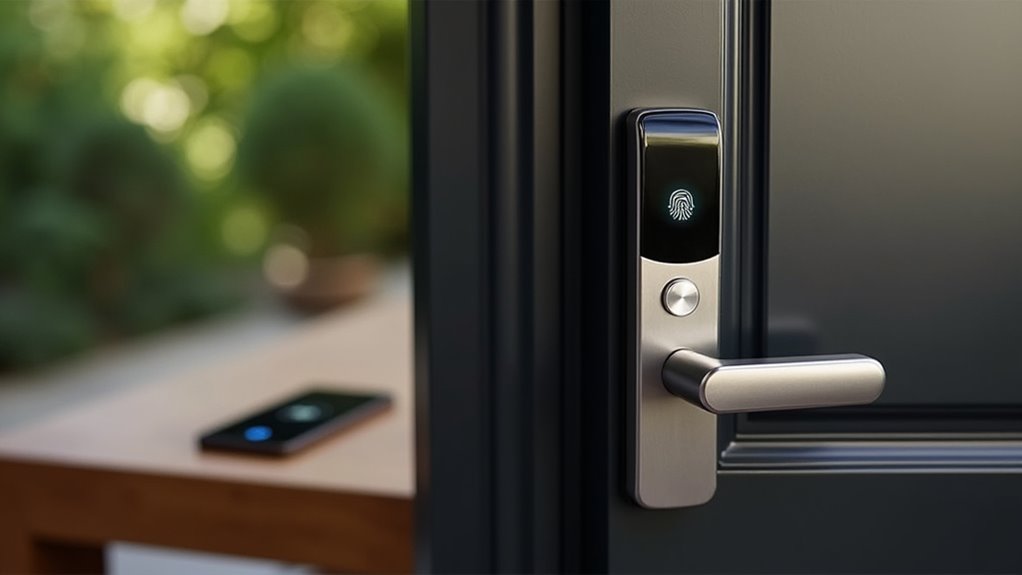
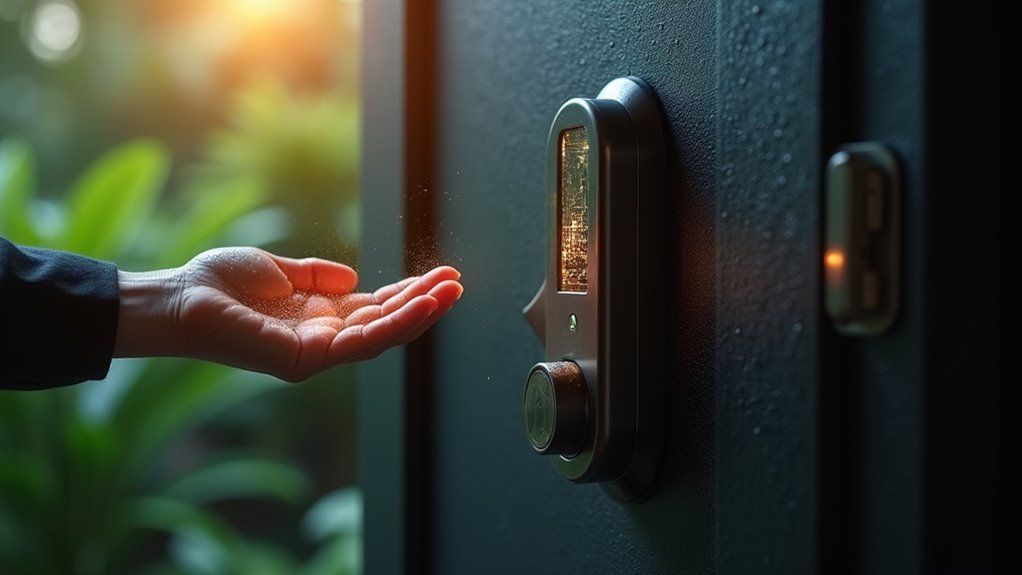
While everyone’s still fumbling with keys like it’s 1995, Philips decided to drag door locks into the modern age with their Home Access smart lock lineup. Four distinct series rolled out at this year’s Ace Hardware Convention—each progressively fancier than the last. Regular deadbolts, it seems, just aren’t cutting it anymore.
The 1000 series keeps things simple for folks who think Wi-Fi is witchcraft. Basic PIN codes, mechanical keys, no internet required. Done.
Meanwhile, the 3000 series retrofits existing deadbolts with Wi-Fi capabilities—perfect for renters who can’t drill holes without kissing their deposit goodbye. Want to unlock your door from the couch? The 4000 series brings Bluetooth and Wi-Fi to make that dream a reality.
But the 5000 series? That’s where things get weird. Palm vein recognition. Facial recognition. Your front door basically thinks it’s working for the CIA. Up to 50 fingerprints can be stored, though it’s hard to imagine anyone really needing their entire extended family to have biometric access. The palm reading feature sounds like something from a carnival fortune teller booth. Except this one actually works.
Security-wise, these things pack AES-128 encryption—the same stuff banks use. They’re certified to ANSI/BHMA standards, which essentially means they won’t fall apart when someone sneezes on them. Built-in alarms detect tampering, jamming, and too many wrong PIN attempts.
There’s even a vacation mode. Though honestly, calling it “away mode” would’ve been less suburban.
Installation supposedly takes minutes with just a screwdriver. No drilling, no wiring, no calling your contractor brother-in-law who “owes you one.” The retrofit models literally clip onto existing hardware—or so they claim.
Some models even talk you through setup. Like having a very patient robot assistant, if that’s your thing. The voice guidance comes in English, French, and Spanish—eliminating the need to decipher instruction manuals written by someone who clearly flunked technical writing.
Through the Philips Home Access app, users can generate unlimited one-time PIN codes. Think delivery drivers who need in for that oversized package, dog walkers, or that friend who perpetually “forgets” their spare key.
Wi-Fi models integrate with smart home systems, letting your lock chat with your thermostat about your comings and goings. With proper energy management features, these locks contribute to automated home efficiency without requiring complete replacements of your existing fixtures.
Twenty PIN codes, fifty fingerprints, doorbell alarms, voice prompts—these locks do everything except make your morning coffee. Given the trajectory, that’s probably coming in the 6000 series.
Philips backs the entire lineup with a 2-year warranty covering defects in materials and workmanship—standard coverage that suggests they’re confident these things won’t spontaneously combust.