Smart home technology has gone from futuristic fantasy to everyday reality faster than most people can figure out how to use it. The experts who design and test these gadgets? They’re surprisingly picky about what actually makes it into their own homes.
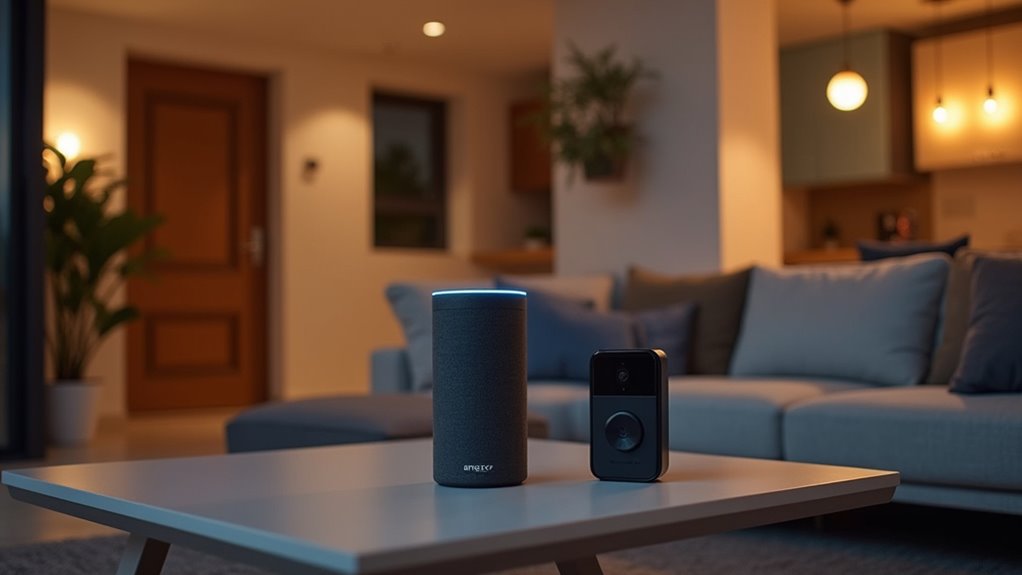
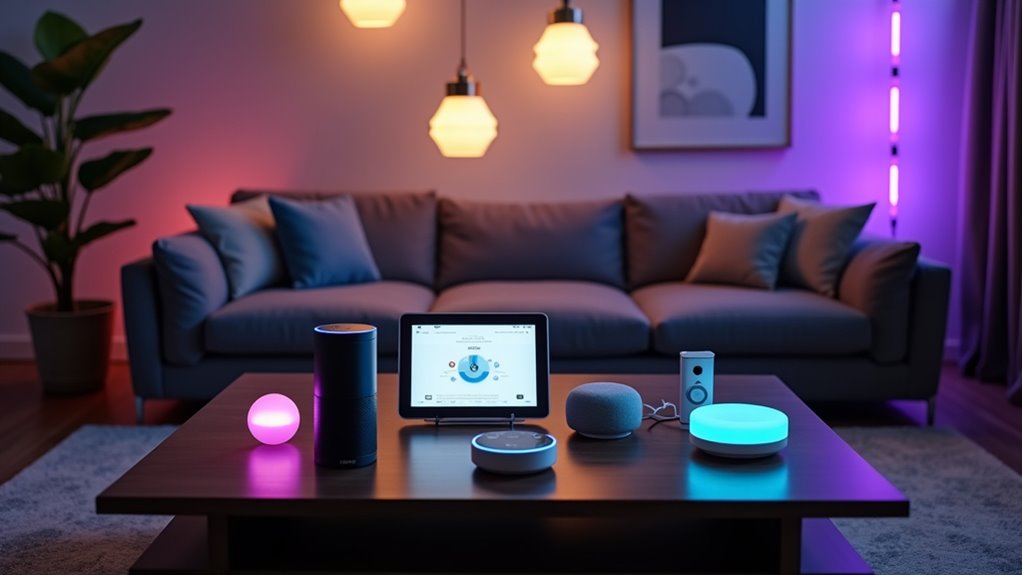
Voice assistants rule the roost, but choosing sides matters more than most realize. Amazon Echo 4th Gen wins points for adaptive sound and solid Alexa ecosystem connections. Google Nest Audio excels at quick responses and controlling Google devices. Apple HomePod Mini delivers premium sound but only if you’re already drinking the Apple Kool-Aid. For audiophiles who refuse to compromise, Bose Smart Speaker 500 exists in a league of its own.
Smart displays take control beyond basic voice commands. Amazon Echo Show models get consistent praise for broad compatibility and reliable performance. Google Nest Hub Max handles video calls and centralized control duties. The Amazon Echo Show 15 provides Full HD resolution for enhanced visual interactions and smart home management. The Matter standard is slowly fixing the compatibility nightmare that has plagued smart hubs for years.
When it comes to lighting, Philips Hue remains the gold standard despite premium pricing. The setup process actually works, color options satisfy perfectionists, and app support doesn’t make users want to throw their phones. Budget-conscious experts often recommend Govee Wi-Fi LED bulbs for their direct Wi-Fi connection that eliminates the need for additional hubs.
Energy-efficient LEDs cut utility bills while lasting longer than traditional bulbs. Scene presets let homeowners create custom lighting moods without becoming lighting engineers.
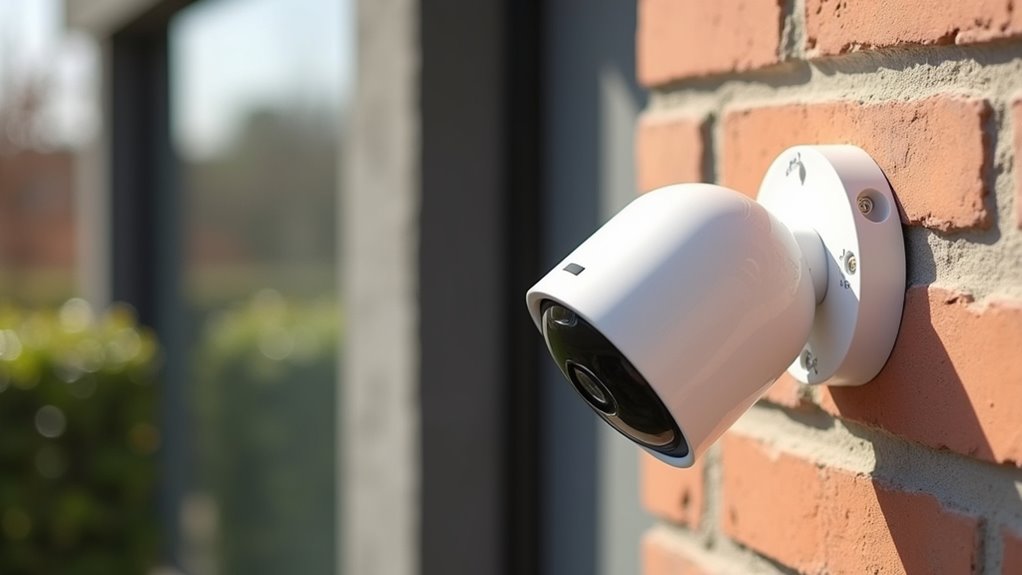
Security gets serious attention from experts who understand real threats. Ring and Blink cameras provide reliable monitoring with motion detection and smartphone alerts. Video doorbells add two-way audio for remote visitor interaction. Smart locks integrate seamlessly with existing platforms for automated entry management. These systems utilize communication protocols like Zigbee and Z-Wave for reliable device interaction across the home network.
Climate control represents the sweet spot between comfort and efficiency. Smart thermostats learn household routines through motion sensors and algorithms, adjusting heating and cooling automatically. Remote smartphone control means never returning to an uncomfortable house.
Smart plugs offer the easiest entry point for upgrading conventional electronics. App-based control and scheduling transform ordinary devices into connected ones without rewiring anything.
The technology works, the installation requires zero expertise, and the results deliver immediate satisfaction. Smart home adoption starts here, then grows room by room until entire houses respond to voices, schedules, and preferences.