
Most people’s energy bills vanish into a black hole of mystery charges and phantom power drains. One homeowner decided to fight back with Home Assistant automations and managed to slash their electric bill by 40%. The results weren’t magic—just smart monitoring and ruthless efficiency.
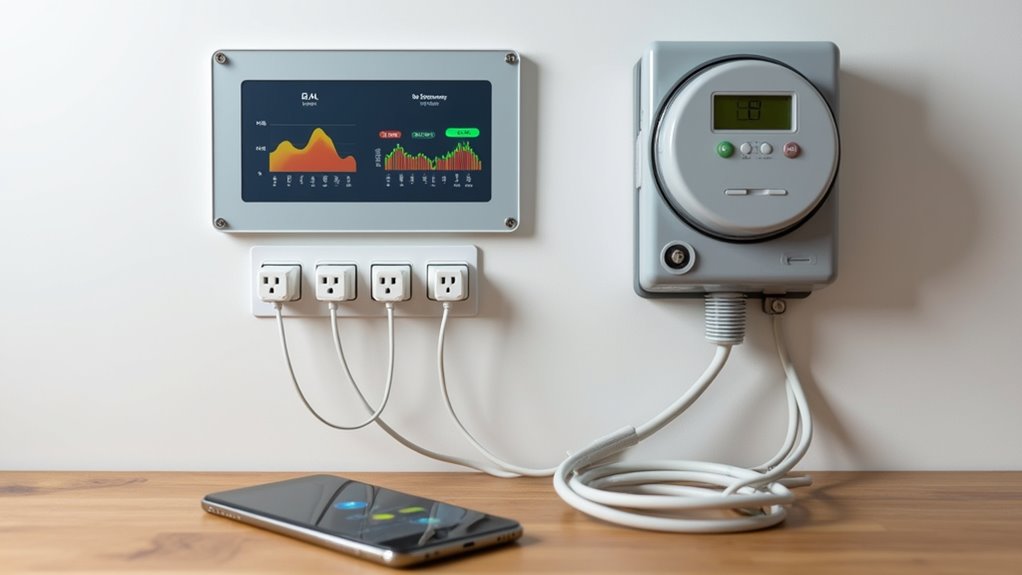
The game-changer was comprehensive energy monitoring through smart plugs integrated with Home Assistant. These devices provided real-time power usage data for individual appliances, instantly revealing which devices were the energy vampires lurking in plain sight. The Energy Dashboard aggregated everything—grid consumption, solar production, battery status—into one brutal reality check.
Smart plugs exposed the hidden energy vampires silently draining wallets while Home Assistant’s dashboard delivered the brutal financial reality check.
High-consumption culprits like the refrigerator, freezer, and central heating got identified and prioritized for management. But the real savings came from tackling deferrable loads. Dishwashers and washing machines were programmed to run during off-peak hours when electricity rates dropped. No more paying premium prices to wash dishes at dinner time.
Automated shutoff routines became the household enforcers, killing standby devices and power-hungry appliances when nobody was using them. Those phantom loads that silently drain wallets? Gone.
Smart climate control configurations optimized heating and cooling cycles based on actual occupancy patterns and time-variable energy rates. Advanced systems like EMHASS take this further by using Linear Programming to optimize household energy across multiple variables simultaneously. Smart thermostats alone can provide energy savings of up to 15% on heating and cooling costs.
Solar integration took things further. The system automatically diverted surplus solar power to flexible loads like water heaters in real time. Battery storage status guided charging and discharging cycles for maximum efficiency. Net metering installations leverage excess solar production for grid credits, creating additional savings opportunities.
Forecast-driven automations used predicted solar generation to plan when appliances should run. Real-time alerts provided immediate feedback on consumption spikes and usage anomalies.
Dashboard analytics displayed the brutal truth about where money was bleeding out through historical graphs and live monitoring. Energy usage reports broke down costs by device category, making waste impossible to ignore.
The optimization planner utilized dynamic electricity pricing by shifting loads to the cheapest time slots. Off-peak automation became automatic—no human intervention required. The system learned patterns, identified seasonal changes, and adapted accordingly.
Vendor neutrality meant compatibility with various hardware platforms, avoiding lock-in headaches. The detailed consumption logs revealed optimization opportunities that would have remained hidden forever. Sometimes the best defense against utility companies is a good offense.