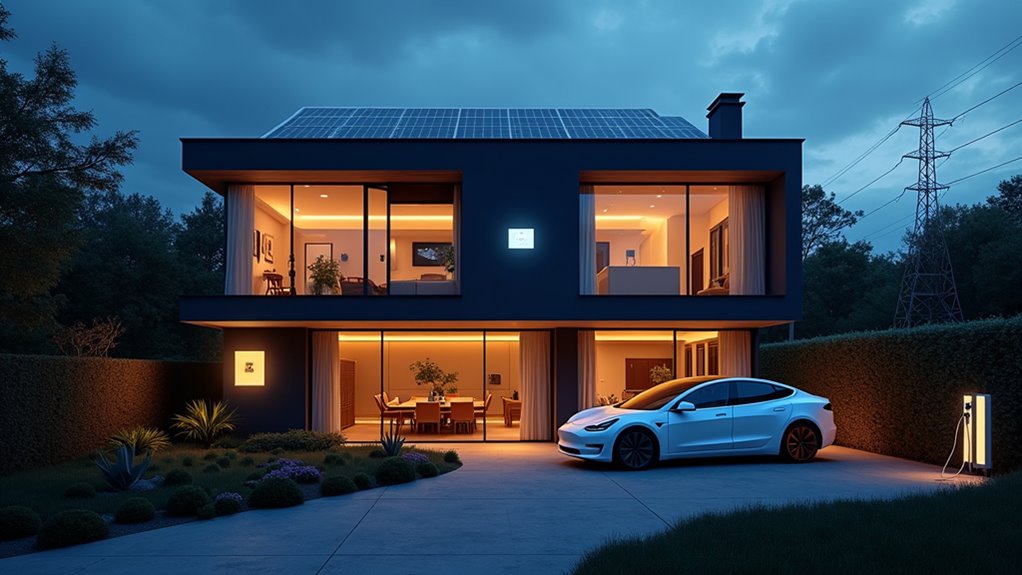
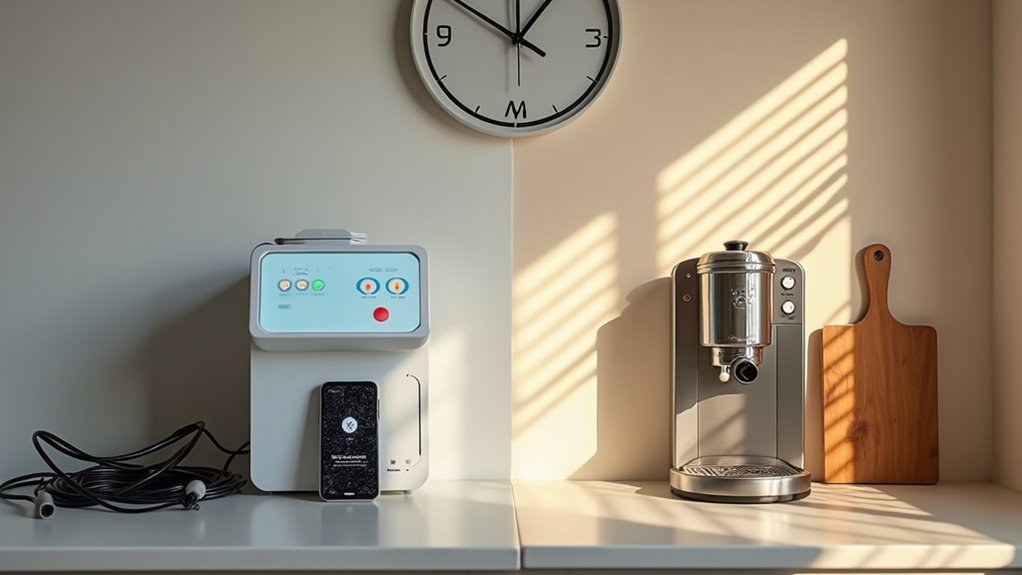
While homeowners complain about rising electricity bills, they’re increasingly turning to smart home energy management systems to fight back. The result? A silent transformation that’s quietly chipping away at traditional power company profits.
The numbers tell the story. The global home energy management market hit $5.85 billion in 2024 and is racing toward $16.21 billion by 2032. That’s a hefty 15.3% annual growth rate. Meanwhile, U.S. electrical consumption is projected at 4,086 billion kilowatt-hours this year. Someone’s got to pay for all that power.
The market’s explosive 15.3% growth tells homeowners one thing: fighting back against rising bills is becoming big business.
These systems aren’t just fancy thermostats anymore. They’re sophisticated networks combining hardware and software to optimize energy flows between everything from refrigerators to EV chargers. AI and cloud technologies provide real-time insights that let homeowners track every watt. Knowledge is power, literally.
The software segment is exploding at 16.23% annual growth, thanks to cloud analytics and subscription services. Companies are betting big on this tech, forming strategic partnerships to grab market share. North America leads with 40% of the global market, helped by mature infrastructure and government incentives.
Electric vehicle adoption is accelerating the trend. When your car becomes part of your home’s energy ecosystem, the traditional utility model starts looking outdated.
Add solar panels and battery storage to the mix, and homeowners can practically become their own power companies. Wireless technology dominates the market due to advances in IoT, AI, and cloud computing that enable seamless device connectivity. Smart thermostats alone demonstrate the immediate impact, with energy reduction of up to 15% on heating and cooling costs.
The environmental angle sweetens the deal. With global CO₂ emissions hitting 37.4 billion tonnes in 2024, energy efficiency isn’t just about saving money anymore. It’s about saving the planet. Or at least that’s what the marketing materials say.
But it’s not all smooth sailing. High upfront costs still make many homeowners wince, especially those with older homes. Data privacy concerns persist, and device interoperability remains a headache. Technical complexity scares off some potential adopters. Single-family homes are experiencing the fastest growth at 22% annually as smart home technologies become more accessible.
Updated building codes like the 2024 International Energy Conservation Code are pushing smart controls into new construction. Government incentives help, but the real driver is simple economics. Rising electricity costs make these systems increasingly attractive. Traditional utilities can see the writing on the wall.