
Why are American homeowners throwing away $740 million annually on energy costs? The culprit lurking on their walls is that ancient thermostat gathering dust and draining wallets nationwide.
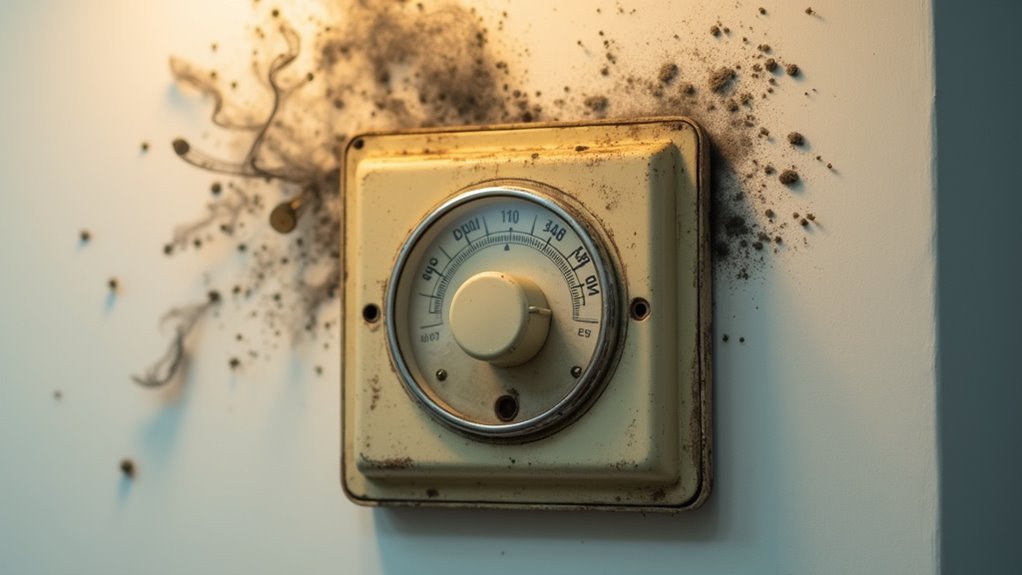
Those old thermostats are fundamentally energy vampires. They offer nothing more than primitive “heat,” “cool,” and “off” settings—about as sophisticated as a light switch. No precision temperature control means HVAC systems run longer than necessary, burning through energy like there’s no tomorrow.
The sensor accuracy? Forget about it. These aging units develop sensor problems that make them read temperatures like a broken compass. Systems cycle on and off randomly, creating comfort disasters while wasting massive amounts of energy. Spaces get overcooled or overheated because the thermostat thinks it’s living in a completely different climate zone.
Manual adjustments are required constantly. Homeowners must remember to change settings day and night, weekends and holidays. Most people forget. A lot. The result is HVAC systems running full blast in empty houses, which is fundamentally burning money for absolutely no reason.
Older thermostats can’t handle zoning control either. They heat or cool entire houses when maybe two rooms actually need it. No scheduling options exist, so systems operate at constant settings regardless of occupancy. During peak utility hours when electricity costs skyrocket, these dinosaur devices keep chugging along obliviously. Proper thermostat positioning away from drafts and direct heat sources is essential for accurate temperature readings and efficient operation.
The equipment strain is brutal. Continuous, inefficient cycling from outdated thermostats increases wear and tear dramatically. HVAC systems face higher breakdown risks, shorter lifespans, and more frequent repair bills. Components get overstressed and fail during high-demand periods when homeowners need them most.
Thermostats placed in inconvenient locations make manual adjustments even less likely. High placement, confusing interfaces, and unclear feedback create perfect storms for energy waste. Manual errors result in extreme temperature settings that compound the problem.
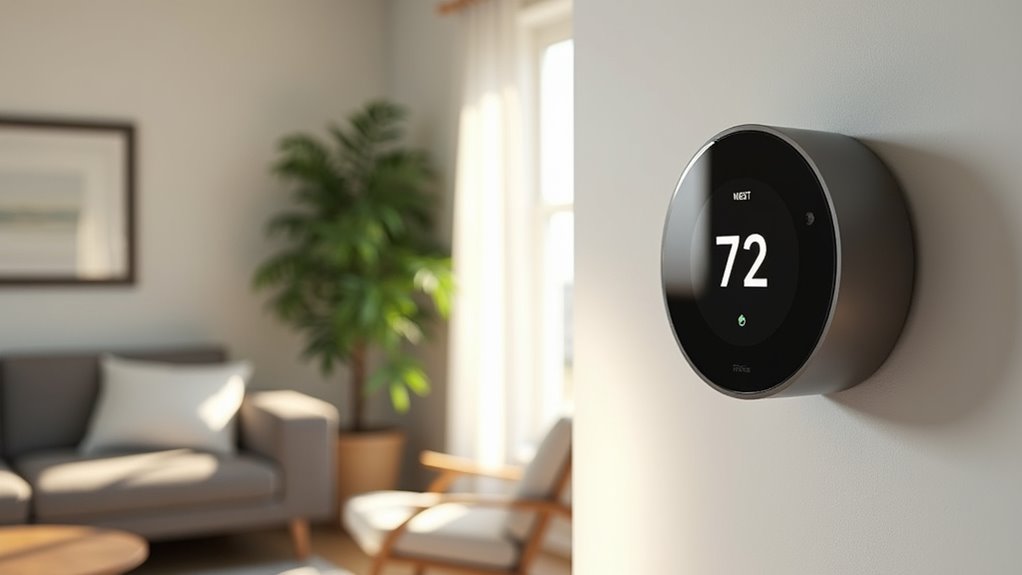
The financial impact hits hard. Heating and cooling bills run 10-30% higher compared to programmable alternatives. Modern programmable thermostats help HVAC systems operate more effectively by automatically adjusting temperatures based on schedules and occupancy patterns. Those inefficiencies from obsolete thermostats pile up into that staggering $740 million in national energy waste annually. Modern smart thermostats provide detailed energy usage reports that help homeowners track consumption patterns and identify waste. That’s real money disappearing into thin air because of stubborn attachment to prehistoric temperature control technology.