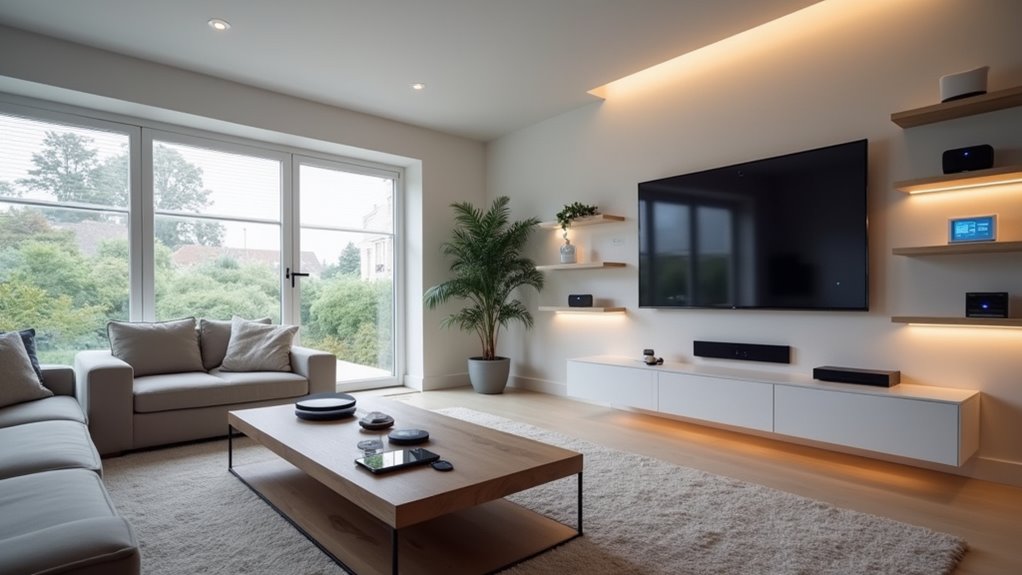
While smart home devices promise to transform daily life, the reality hits different once the credit card‘s been charged. The glossy marketing photos don’t show homeowners rage-quitting their fifth attempt to connect a “simple” smart bulb.
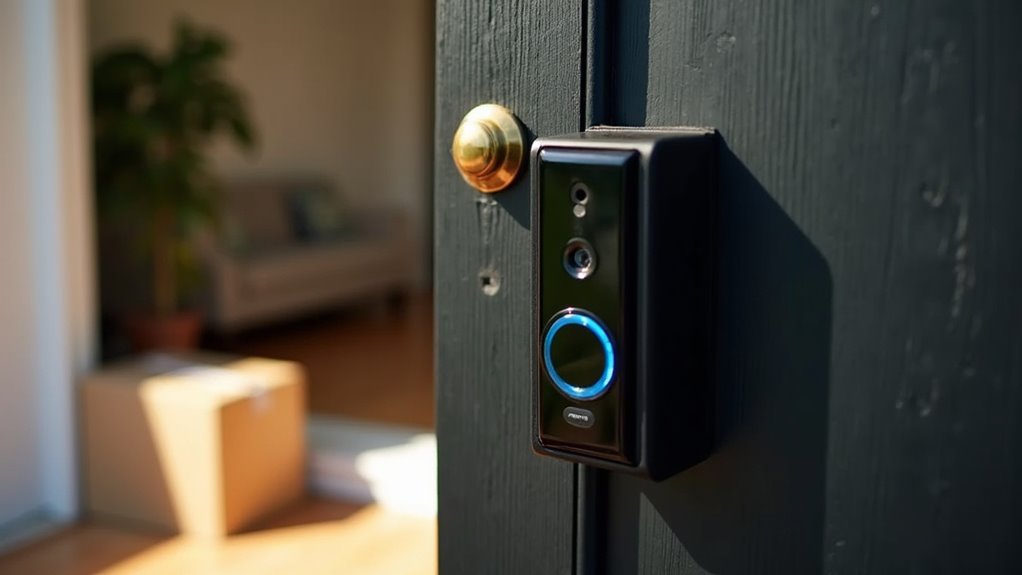
Compatibility turns into a nightmare faster than anyone admits. That fancy doorbell camera? Might not play nice with existing setups. Mixing brands creates a digital Tower of Babel where nothing talks to anything else. Users end up buying hubs, bridges, and adapters nobody mentioned. The $30 smart plug suddenly needs a $50 hub. Math gets ugly quick. The new Matter standard promises to fix interoperability issues but introduces its own set of drawbacks nobody talks about.
Privacy? Yeah, about that. These devices default to sharing everything with everyone. The settings to stop data collection hide deeper than lost car keys. Voice assistants record conversations nobody intended to share. Even “off” devices keep listening, watching, collecting. Manufacturers push updates that fix privacy bugs months after hackers find them. Sometimes they don’t bother at all. Smart speakers stationed near windows create vulnerabilities where unauthorized access becomes child’s play for determined hackers.
Installation reality check: “DIY-friendly” means different things to different people. Old houses laugh at modern smart switches. Neutral wires? Good luck finding those in pre-1980s homes. Professional electricians charge real money to fix what marketing called “simple plug-and-play.” Support teams vanish when real problems surface.
The apps controlling these devices? Half work like they’re held in conjunction with digital duct tape. Updates break features that worked fine yesterday. Want multiple family members to control devices? Prepare for disappointment. Some apps demand location tracking just to turn on lights. Makes total sense.
Money keeps flowing out long after purchase. Cloud storage subscriptions. Premium features locked behind paywalls. Smart versions of regular appliances cost 50% more for features nobody uses. Energy savings claims? Pure fiction in most cases. The complete smart home setup that retailers advertise can cost anywhere from $2,000 to $7,000, far exceeding what most consumers initially budget.
Reliability remains the dirty secret nobody discusses. Devices disconnect randomly. Lag makes “instant” control a joke. Some companies kill cloud services without warning, turning expensive gadgets into paperweights. Software support windows close faster than expected, forcing replacements.
The warranty fine print excludes everything that actually breaks. Smart home experts stay quiet because addressing these issues doesn’t sell products. The truth? Most people need way less automation than companies push.