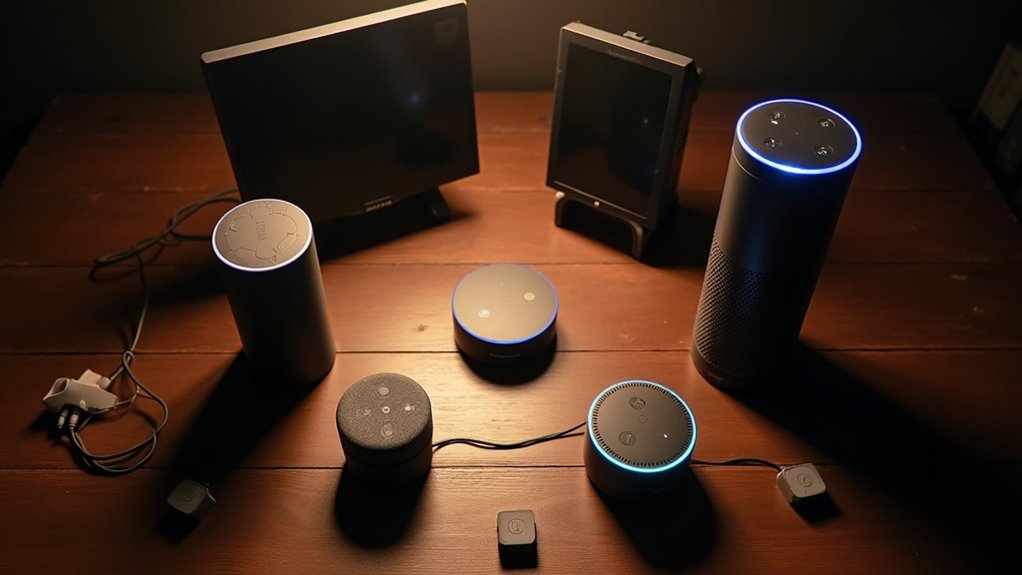

Amazon’s Echo lineup has grown into a sprawling collection of smart speakers and displays, each promising to make life easier through the magic of Alexa.
Smart home experts love telling you which Echo device you “need.” They’re usually wrong.
The conventional wisdom goes like this: start with an Echo Dot for basic rooms, upgrade to the regular Echo for better sound, and splurge on the Echo Studio if you’re an audiophile. Simple, right? Wrong.
Here’s what actually matters. Most people buy Echo Dots thinking they’re saving money. Then they discover the sound quality is fine for asking about the weather but terrible for music.
The bass is weak. The volume is limited. You end up frustrated in anything larger than a bedroom.
The Echo 4th Gen sits in that awkward middle ground. Better sound than the Dot, sure. But not dramatically better. It’s the compromise nobody asked for.
You’re paying more for marginally improved audio in a spherical design that some people love and others think looks like a crystal ball. It does include automatic room adaptation that adjusts the sound based on your space’s acoustics.
The Echo Studio? Now we’re talking. Dolby Atmos support, spatial audio, legitimate sound quality. But it’s huge and expensive.
Most experts recommend it only for “serious listeners.” That’s backwards thinking.
Smart displays complicate everything further. The Echo Show 5 works great as an alarm clock but sounds mediocre.
The Show 8 offers the best balance of features and performance. The Show 10 rotates, which is either genius or gimmicky depending on your perspective.
The Show 15 mounts on walls but sounds worse than smaller models. Despite the massive 15.6-inch display, it produces less powerful audio with weaker speaker drivers than compact models.
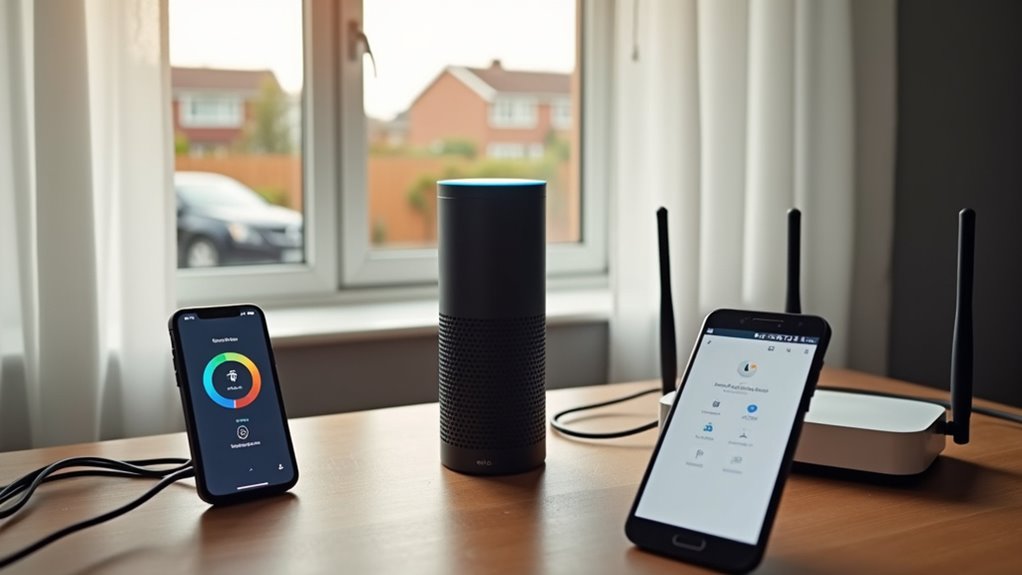
Then there’s the smart home angle. The Show 10 and Show 15 function as Zigbee hubs. Many Echoes work with eero mesh networks.
The 4th generation Echo comes with a built-in Zigbee hub that lets you directly control compatible smart home devices without additional hardware.
Built-in sensors enable automation. Experts obsess over these capabilities, but most buyers just want music and weather updates.
The truth? Skip the incremental upgrades.
Buy either the cheapest option that meets your basic needs or go big with premium features.
The middle ground devices satisfy nobody completely. That’s where expert recommendations usually land you – slightly disappointed and wondering if you should have chosen differently.