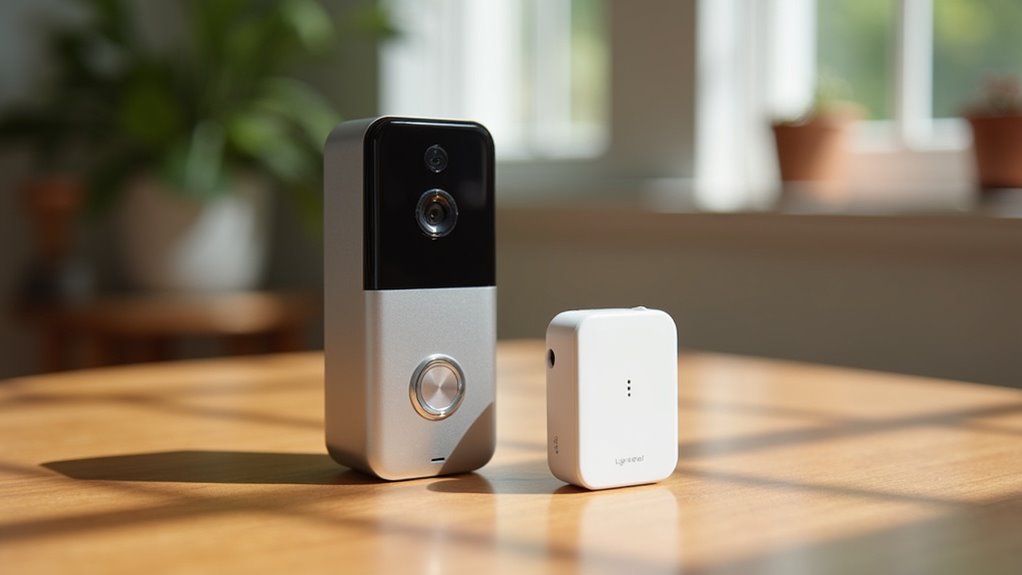
Why does that innocent-looking doorbell need to know so much about your life? The video doorbell market races toward $5.3 billion while these devices vacuum up video, audio, names, emails, addresses—basically enough daily patterns to make a stalker jealous.
Ring and its competitors swear they don’t sell personal data. They just share it with advertisers, governments, and whoever else qualifies as an “affiliate.” Totally different, right?
They don’t sell your data—they just share it with advertisers, governments, and mysterious affiliates. Totally different.
Every time someone leaves for work or comes home for lunch, these doorbells take note. They’re essentially creating detailed maps of daily routines. That footage? It lands on remote servers where, let’s be honest, both corporate employees and hackers have managed unauthorized peeks.
Consumer Reports tested popular brands recently—they found critical security flaws that exposed emails and passwords. Even worse, many models still skip basic protections like two-factor authentication. Because apparently standard security measures are optional when you’re only recording people’s front doors.
The horror stories keep piling up. Some hackers spy through cameras while others harass homeowners directly. A few have even livestreamed private moments. Security audits regularly turn up new vulnerabilities in firmware and backend systems—problems that either nobody knew existed or, more likely, nobody bothered to fix. Eufy’s T8200 model exposed users’ WiFi passwords alongside email addresses through security flaws that took months to partially address.
Then there’s the legal mess. Point that camera an inch beyond your property line and congratulations—under regulations like UK GDPR, you’ve just become a data controller. Now you’re responsible for safeguarding every bit of personally identifiable footage you capture. Meanwhile, U.S. lawmakers keep investigating corporate misuse. Amazon’s Ring had to pay $5.8 million over privacy violations. Law enforcement, on the other hand, seems to access private footage without user consent or much transparency. Warrants? Apparently those are optional now.
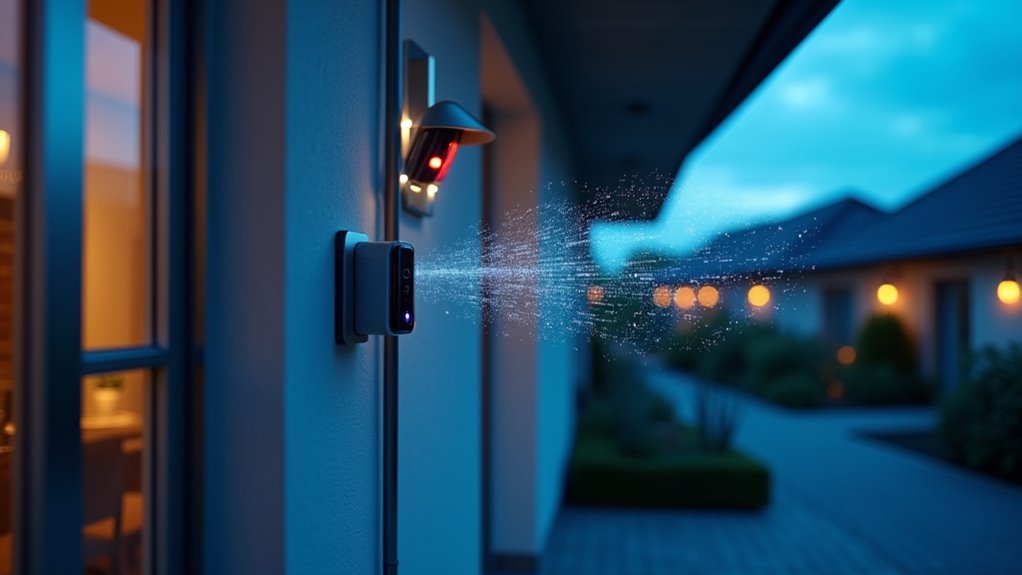
These devices don’t just watch your property—they capture footage of random passersby and neighbors who never agreed to star in someone’s surveillance show. The data enables what experts call “patterns-of-life” analysis, which can predict behaviors and schedules with unsettling accuracy. We’ve seen documented cases of racial profiling and surveillance overreach. Some police partnerships appear to enable warrantless monitoring. Even more concerning, certain systems allow remote eavesdropping on adjacent homes and spaces. Ring’s microphones can reportedly pick up conversations from 60 metres away, turning neighborhood watch into neighborhood listen.
Children face particular risks here. So do other vulnerable populations who might experience privacy violations or harassment through these always-watching eyes. Most major brands rely on cloud infrastructure that seems to store everything indefinitely—though companies rarely clarify their exact retention policies. Users should know that many devices have always-on microphones that continue listening even when not actively processing commands.
Still, the market keeps growing. People apparently love the convenience more than they fear becoming data products for corporate surveillance networks. Or maybe they just haven’t connected all the dots yet.