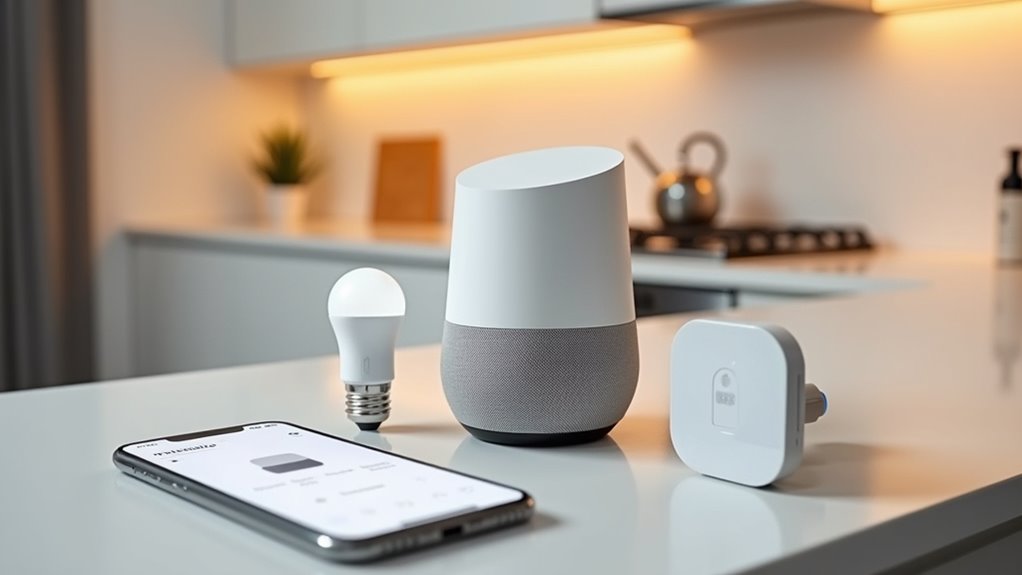
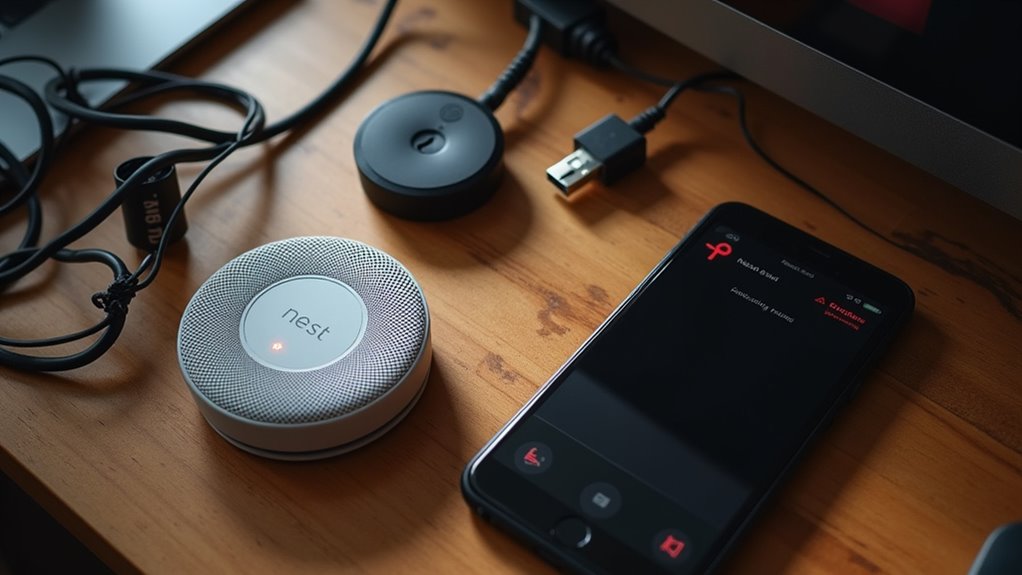
After years of watching competitors eat their lunch in the smart home camera market, Google finally remembered they own Nest. Their 2025 lineup brings Gemini AI to the party – and suddenly those cameras got a whole lot smarter. We’re talking real-time object detection, person recognition, sound analysis. The works. Your camera doesn’t just see motion anymore; it apparently knows that’s your kid sneaking cookies at midnight, not a burglar.
The hardware improvements matter too. These new Nest cameras pack 2K HDR resolution, ditching the dated 1080p that made everything look like it was filmed through a potato. Want to see what your cat knocked over? The indoor model sports 6x digital zoom, perfect for zooming in on whatever shenanigans unfold while you’re gone. Low-light performance actually seems to work now.
Even better – when your WiFi inevitably crashes, local storage keeps recording for an hour. Because nothing says “smart home” like devices that stop working when the internet hiccups. Google’s calling this fallback storage, ensuring your security footage doesn’t vanish when your router decides to take a break.
Google’s AI doesn’t just watch. It listens. The system can reportedly detect smoke alarms, breaking glass, and other concerning sounds. Daily summaries compile everything into digestible recaps, meaning you can review your day without scrolling through hours of nothing.
Here’s the kicker: the cameras generate actual descriptions of events, not just timestamps. “Package delivered at 2:47 PM” beats “Motion detected” any day. Users can now search their camera footage with text queries, asking simple questions about specific events or times to quickly find what they’re looking for.
Design-wise, Google played it safe but added some color. Snow, Berry, Hazel, and Linen options – your security camera can finally match your throw pillows, if that’s your thing. The Zoom and Crop feature lets users focus on specific areas like cribs or pet beds. Activity Zones got smarter too, which should reduce those annoying false alerts from trees swaying in the wind. At least, that’s the promise.
Everything ties together through what Google’s calling Gemini for Home. Cameras, doorbells, speakers – they all talk to each other now, or so it appears. Video, audio, and alerts sync across devices for centralized control. These interconnected devices leverage motion detectors to cut electricity usage by up to 27% compared to traditional lighting systems.
That said, Google’s reportedly rebranding subscriptions to Home Premium and Advanced. What that means for pricing remains unclear.
Three-hour event preview storage replaces the measly one-hour window, including 10-second clips for each detection. About time Google caught up with the competition they helped create.