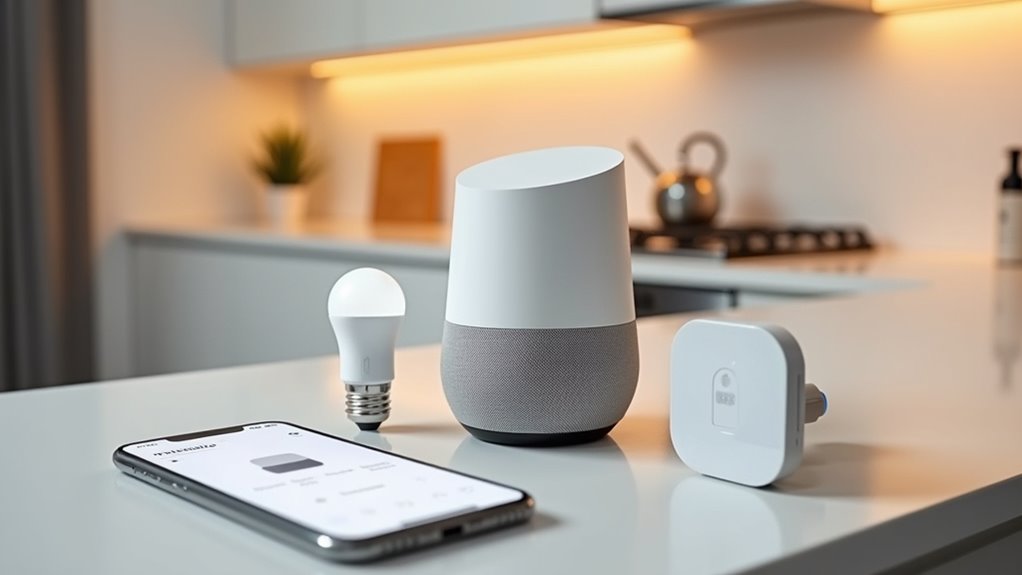
While most people are still counting sheep or popping melatonin like candy, Google’s been quietly turning its smart home devices into sleep optimization machines. That Nest Hub 2nd Gen sitting on nightstands? It uses radar to track breathing and movement while you sleep—no wristband, no charging required. Just passive monitoring that, surprisingly enough, actually works.
The device’s Motion Sense technology appears to hold its own against polysomnography—basically what sleep labs use as their gold standard. Audio sensors pick up everything: snoring, coughing, even that neighbor’s dog losing its mind at 3 AM. Come morning, you get a summary of how you slept. Weekly trends reveal patterns you probably never knew existed. Remember that third cup of coffee at 4 PM? Yeah, the data might show exactly how much it wrecked your night.
Tracking is just the beginning though. Where things get interesting is when Google Home takes over your entire bedroom environment. Smart lights gradually dim at bedtime, mimicking sunset—and your brain actually responds to it. Smart thermostats? They’ll automatically find that sweet spot between 60 and 67 degrees Fahrenheit. The system seems to figure out what works and adjusts accordingly. These features leverage IoT devices to monitor usage patterns in real-time, creating a personalized sleep environment that responds to your needs.
Then there’s the morning routine. Automated blinds block streetlights at night, then let natural light stream in at dawn. Forget jarring alarm clocks—the room slowly brightens, sounds gradually increase, and your body tends to wake up more naturally. That groggy, confused feeling when you first wake up? It might actually become less of an issue.
Say “Hey Google, bedtime” and watch everything shift into night mode. Your TV powers down, your phone switches to Do Not Disturb, white noise kicks in. The smart display could show calming visuals or guide you through a meditation. All automatic, all customizable. The visual sleep data comes in three overlapping circles showing your sleep duration, schedule consistency, and overall quality—simple enough to understand at a glance without getting lost in excessive details.
What’s particularly clever is how Sleep Sensing delivers recommendations based on your actual patterns, not some generic wellness blog nonsense. Maybe you need more consistent bedtimes—it’ll suggest that. Notice you’re snoring more when humidity drops below 40%? The system picks up on these correlations and offers potential fixes. Google’s Health team worked specifically on developing these personalized insights to help users understand what actually affects their sleep quality.
As for privacy concerns—and let’s be honest, everyone’s got them—sleep audio and movement data supposedly stays local on the device. No camera watching you drool into your pillow. You can delete your data whenever you want, and if the whole thing starts feeling too Big Brother, Sleep Sensing can be turned off completely. Google seems to have built this for people who genuinely want better sleep, not for collecting surveillance footage.