While most people still fumble for light switches like cavemen, the smart home automation market is absolutely exploding. The numbers don’t lie—this industry is rocketing from $104.36 billion in 2024 to a staggering $1.149 trillion by 2034. That’s a 27.11% growth rate that would make any investor weep with joy.
North America leads the charge, though Asia Pacific is sprinting to catch up. Countries like China, Japan, and India are embracing digitalization faster than teenagers abandon Facebook for the next shiny app. The U.S. alone expects to hit $359.78 billion by 2034, proving Americans love their gadgets almost as much as they love complaining about energy bills.
Speaking of energy bills, smart homes are delivering real results. These systems slash energy consumption by up to 30% through automated HVAC and lighting controls. Smart thermostats learn your habits while you sleep. Lights turn off when you inevitably forget. Smart plug technology can eliminate standby power consumption from devices that quietly drain energy even when not in use.
Solar panels and battery storage integrate seamlessly, creating sustainability dashboards that actually make people care about their carbon footprint.
But here’s where things get interesting. AI-powered assistants like Alexa and Google Assistant aren’t just answering weather questions anymore—they’re creating context-aware environments that anticipate needs.
Natural language processing improvements mean fewer “Sorry, I didn’t understand that” moments. The technology learns occupant patterns, adjusting everything automatically.
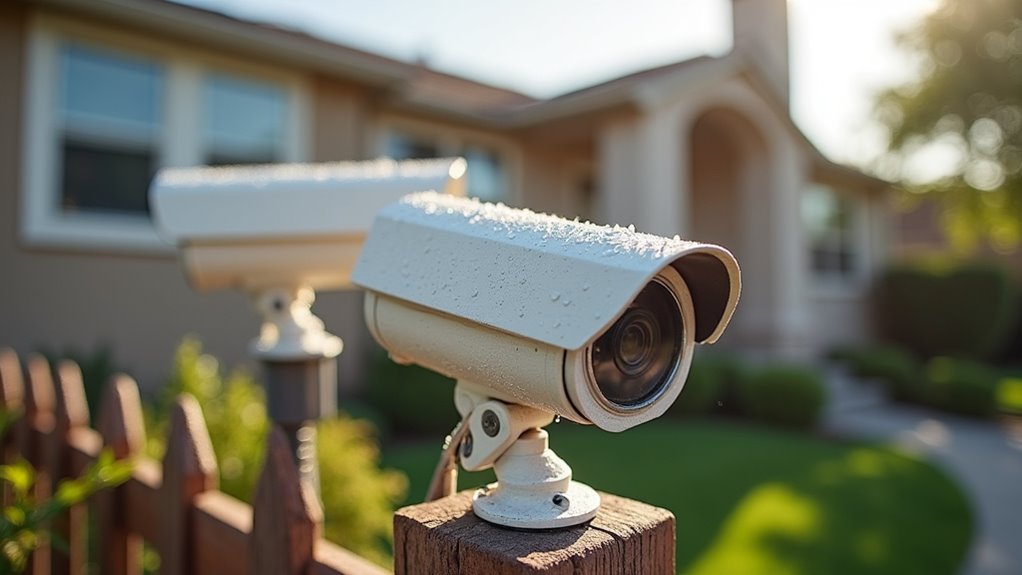
Security features read like science fiction. AI-powered cameras, facial recognition systems, and smart locks create digital fortresses.
Motion detection algorithms assess threats in real-time while automated routines simulate occupancy to fool potential intruders. Gas leak sensors and fire detection systems trigger emergency responses faster than human reflexes.
The health benefits surprise skeptics. Air quality monitors maintain ideal indoor environments.
Smart lighting supports circadian rhythms through customizable temperature and intensity changes. Voice-activated controls increase accessibility for people with disabilities or limited mobility. The growing aging global population creates unprecedented demand for smart home technologies that enhance safety and promote independent living.
Predictive maintenance algorithms alert homeowners about potential appliance failures before catastrophic breakdowns occur. No more discovering broken refrigerators after weekend vacations. Matter protocol enables universal connectivity between different smart home ecosystems, eliminating the frustrating need for multiple hubs and apps.
The convergence of convenience, security, energy efficiency, and health monitoring creates personalized comfort scenes that transform houses into intelligent ecosystems. This isn’t just automation—it’s domestic evolution.