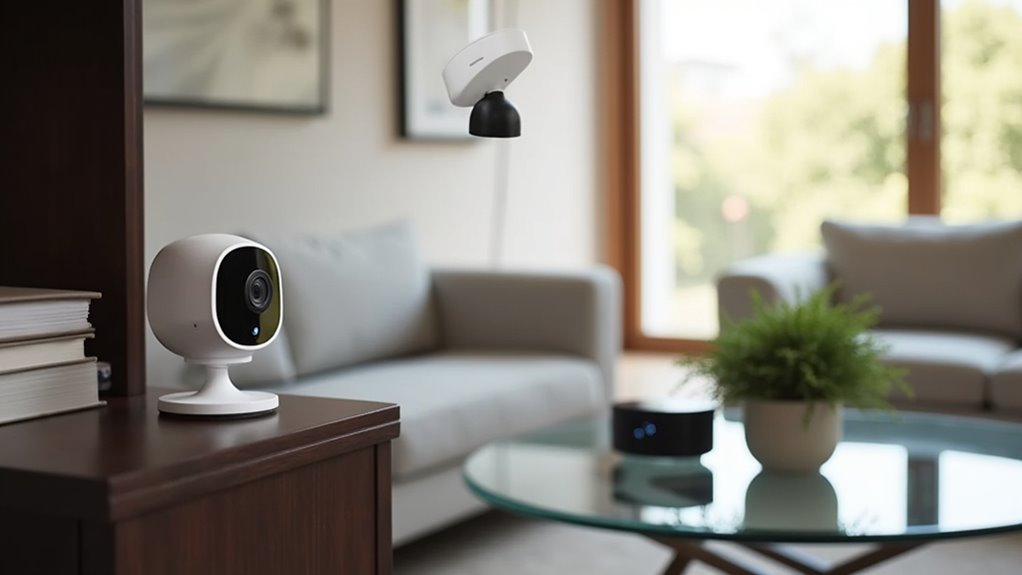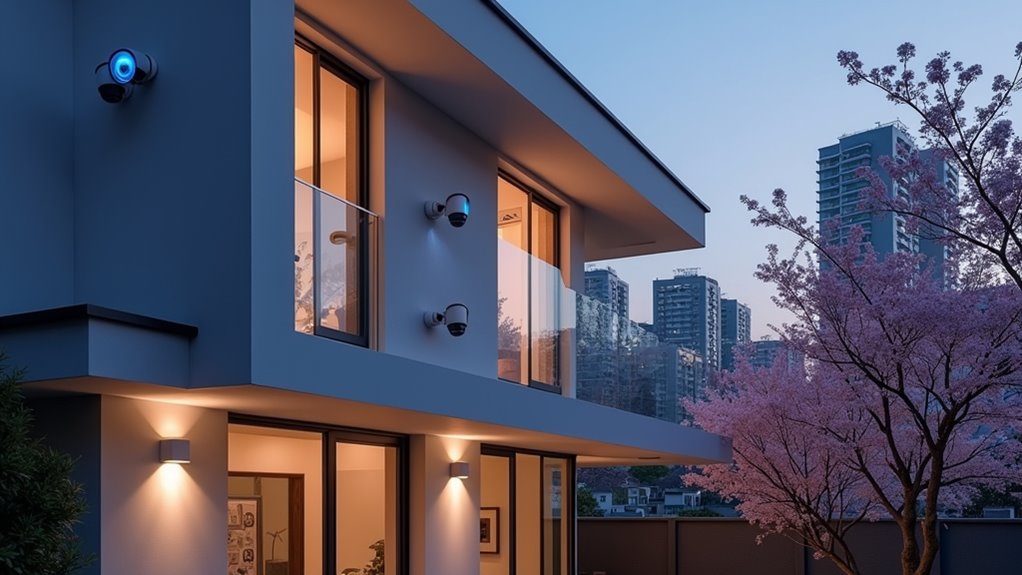

While most people still fumble with their house keys in 2024, Asia-Pacific homeowners are strapping cameras to every corner of their properties like they’re prepping for a reality TV show. The smart home security camera market hit $4.79 billion in 2022 and is barreling toward $15.73 billion by 2029. That’s a triple jump, folks. An 18.64% annual growth rate that makes other tech sectors look like they’re standing still.
Asia-Pacific homeowners are turning their homes into surveillance fortresses while everyone else fumbles with keys
China, India, and Southeast Asia are leading this surveillance bonanza. Rising middle-class incomes and rapid urbanization are turning everyone into amateur security guards. People want cameras inside, outside, on their doorbells, probably on their dogs if someone would make them. The wireless camera segment is absolutely exploding because nobody wants to deal with cables anymore. DIY installation is king.
But here’s where it gets weird. Everyone’s paranoid about privacy while simultaneously installing cameras that watch their every move. The irony isn’t lost on anyone. Regulatory bodies are scrambling to create privacy-first legislation, and manufacturers are promising encrypted cloud storage like it’s some kind of magic shield. Cybersecurity threats have people demanding Fort Knox-level protection for their doorbell footage. Security experts recommend separate networks for these devices to prevent compromising the entire home system.
AI integration is the hot new thing. Facial recognition, object detection, real-time alerts – your camera knows more about your daily routine than you do. Cloud storage and remote access mean you can watch your cat knock over plants from anywhere in the world. IoT connectivity lets these cameras chat with other smart home devices like they’re gossiping neighbors.
The market’s getting crowded. Major global brands are duking it out with regional players, everyone trying to out-AI and out-integrate each other. Players like Arlo, Nest, Ring, Xiaomi, TP-Link, Samsung, and Huawei dominate the landscape with their vast product portfolios and aggressive market strategies. Companies like Vivint Smart Home, ADT LLC, and SimpliSafe are expanding their presence through strategic product launches and localized offerings. They’re partnering with telecom providers, tech companies, anyone who’ll have them. New entrants keep popping up with niche offerings, keeping the big guys on their toes.
High system costs still lock out lower-income buyers, but companies see dollar signs in retrofitting existing homes. Edge computing and better AI are coming whether we’re ready or not. The surveillance state isn’t coming – it’s here, and we’re installing it ourselves.