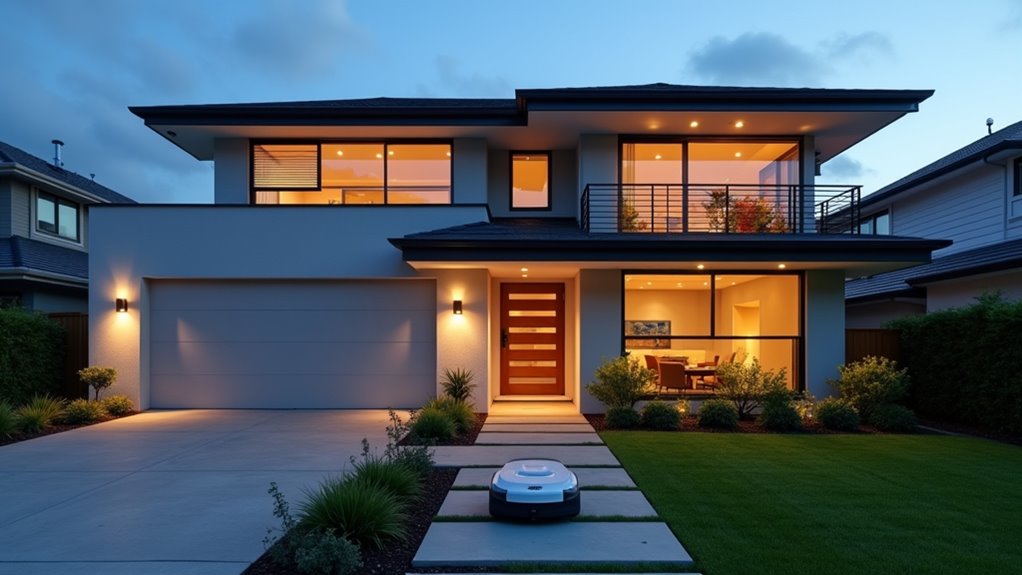
The smart home transformation isn’t slowing down. And honestly, some devices are actually worth emptying that piggy bank for. Not all of them, mind you. But a few genuinely change how people live.
Some smart devices actually deserve the hype – and the hefty price tags they command.
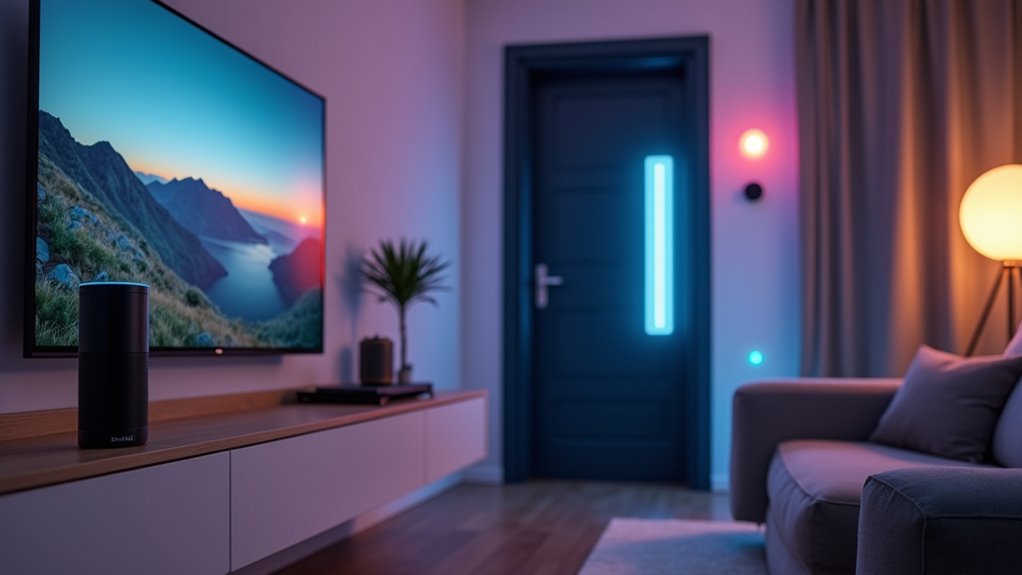
Take the Amazon Echo‘s fourth generation. It’s got this adaptive sound thing that actually works. The Alexa integration? Surprisingly smooth.
Apple’s HomePod mini does its usual Apple thing – sounds fantastic, plays nice with HomeKit, costs more than it should. Google’s Nest Audio sits somewhere in the middle, responding to voice commands without making users repeat themselves seventeen times.
These speakers aren’t just speakers anymore. They’re running entire homes, automating routines, managing entertainment.
Bose threw their Smart Speaker 500 into the ring too, because apparently regular speakers weren’t expensive enough.
Security’s gotten weird. Ring made a flying camera. An actual drone that patrols inside homes. Because walking to check on things is so 2019. The Ring Always Home Cam features autonomous navigation that alerts users to intruders in real time before returning to its dock.
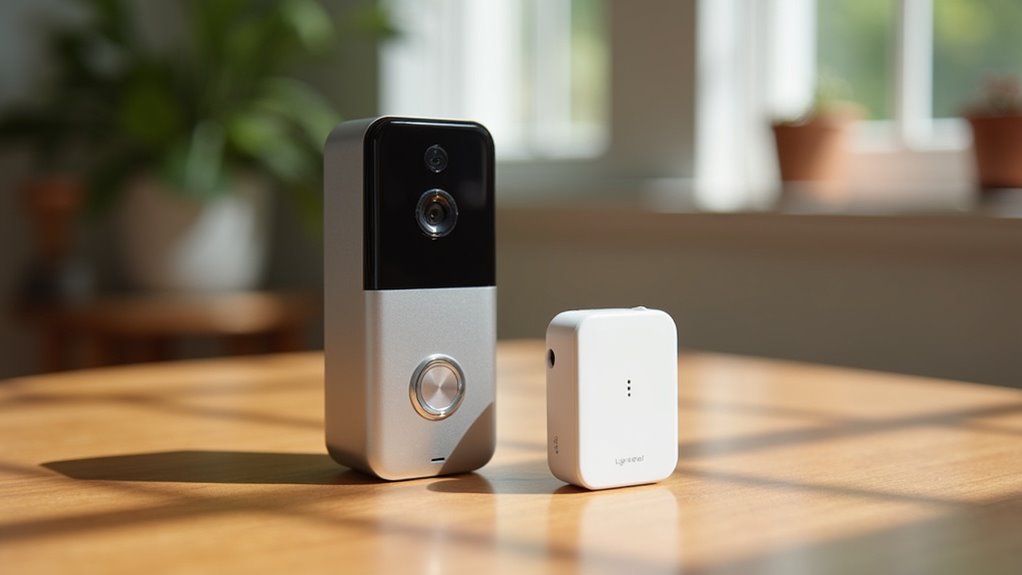
Blink’s cameras offer a cheaper alternative – wireless, motion detection, the basics without the aerial acrobatics. Video doorbells let homeowners talk to delivery drivers from anywhere. Cloud storage keeps footage safe, assuming people trust clouds with their personal security.
Schlage’s smart locks eliminate keys entirely. Voice control means gaining access to doors by talking to them.
Temporary digital keys solve the hiding-a-spare-under-the-mat problem. The locks alert phones about entry attempts, integrate with other systems, lock automatically.
It’s convenience meets paranoia. The SwitchBot Smart Lock works perfectly for renters since it provides thumb-lever control without requiring any lock replacement.
Philips Hue bulbs change colors on command. They dim, brighten, simulate sunsets.
Motion sensors trigger them automatically. Energy monitoring tracks usage because apparently light bulbs need analytics now. The whole system adapts to daily routines, creating ambience or security lighting as needed. These smart lighting systems can reduce waste by shutting off automatically when rooms are unoccupied.
Nest thermostats learn temperature preferences like creepy robot butlers. They adjust based on who’s home, accessible from anywhere via smartphone.
Voice commands set temperatures. Geofencing saves energy when nobody’s around. Usage reports shame wasteful heating habits.
Samsung’s QLED TVs turned into command centers. Multiple voice assistants live inside them.
The TV manages other devices now. It’s entertainment meets home automation in one expensive package. Native streaming support means fewer boxes cluttering entertainment centers.