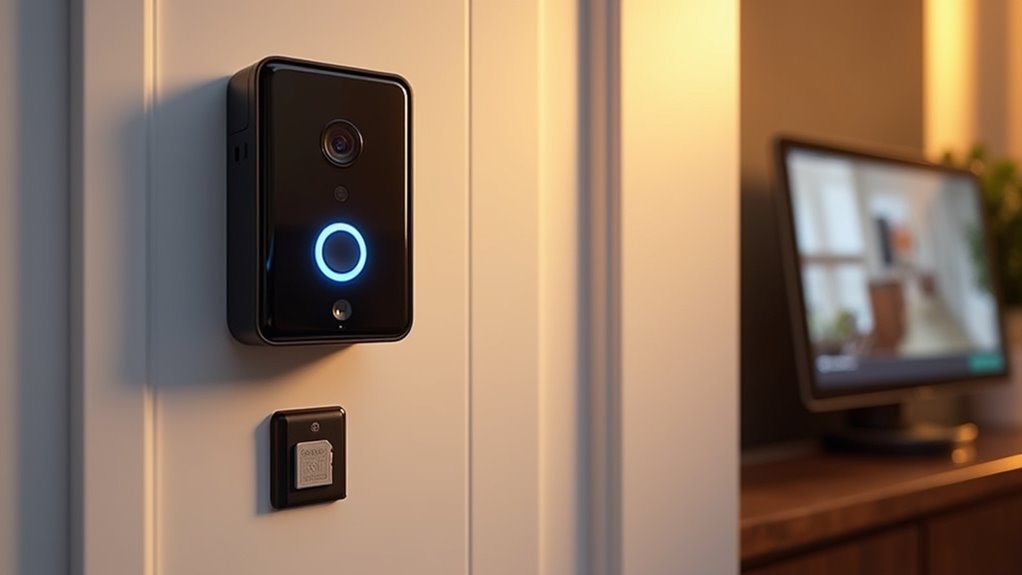
While most people still think of home security cameras as those grainy, black-and-white eyesores from old movies, the smart home security camera market is quietly exploding into a $15 billion juggernaut in 2025. By 2033, this market will nearly triple to $45 billion. That’s a 15% growth rate that would make any Wall Street analyst weep tears of joy.
The numbers are staggering. Seventy-two percent of U.S. households now have at least one security device, with 51 million sporting video surveillance. Urban residents are particularly paranoid, and honestly, who can blame them? Property crime rates keep climbing, so people are ditching their old “hide the spare key under a fake rock” strategy.
Today’s cameras aren’t just recording blurry footage of raccoons anymore. AI-powered object detection and facial recognition have become standard features, not fancy add-ons. These systems can distinguish between your neighbor’s cat and an actual intruder, dramatically reducing those 3 AM false alarms that used to send everyone scrambling for baseball bats. Many systems offer hybrid recording options that balance continuous monitoring with motion-triggered events for optimal security coverage.
Modern security cameras use AI to tell the difference between your cat and a burglar, finally ending those panic-inducing midnight false alarms.
The technology leap is remarkable. Wi-Fi 6 connectivity guarantees smooth video streaming, while 4K resolution makes everything crystal clear. Cloud storage means footage lives safely in cyberspace, and smartphone integration lets homeowners play security guard from their office cubicle. Power over Ethernet installation has made multi-camera setups easier than assembling IKEA furniture.
The competitive landscape is brutal. Established players like Vivint, ADT, and SimpliSafe are battling newcomers who focus on niche features and affordability. Companies differentiate through innovation, user experience, and seamless integration with smart home ecosystems. Even renters are jumping aboard this security train because modern cameras install without requiring a construction degree. Online sales dominated distribution in 2024, generating $3 billion as consumers gravitate toward e-commerce for competitive pricing and product variety. North America remains the dominant force in this market expansion due to high technology adoption rates and substantial disposable income levels.
The market drivers are obvious: people want security, convenience, and peace of mind. Rising home automation adoption and smartphone ubiquity fuel demand. However, cybersecurity vulnerabilities and data privacy concerns still make some consumers hesitant. After all, nobody wants their security system becoming someone else’s entertainment.
With wired cameras valued at $2.7 billion in 2024 and Full HD representing significant market share, the message is clear: burglars better start looking for new career paths.