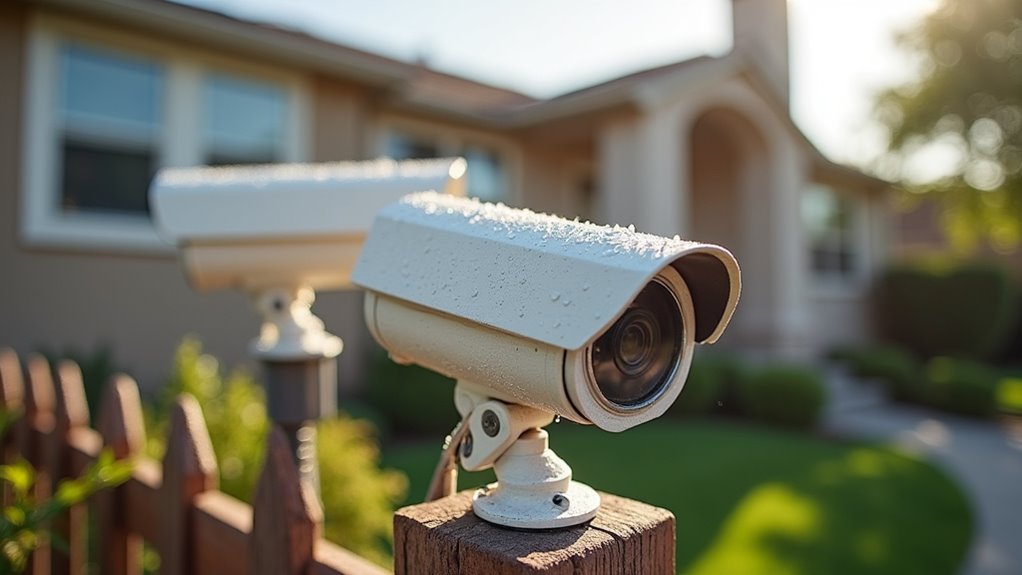

Most homeowners think they’re security experts when they mount a camera above their front door and call it a day.
One camera above your front door doesn’t make you a security expert—it makes you an easy target.
Reality check: that single camera probably captures nothing useful except the occasional delivery driver’s forehead.
The brutal truth is that 90% of security cameras are positioned for show, not security. People slap them up wherever they’re most visible, apparently believing criminals will see the blinking red light and suddenly develop a conscience.
Wrong. Strategic placement matters more than flashy visibility.
Here’s what most people get catastrophically wrong. They obsess over broad perimeter monitoring while ignoring the spots where break-ins actually happen.
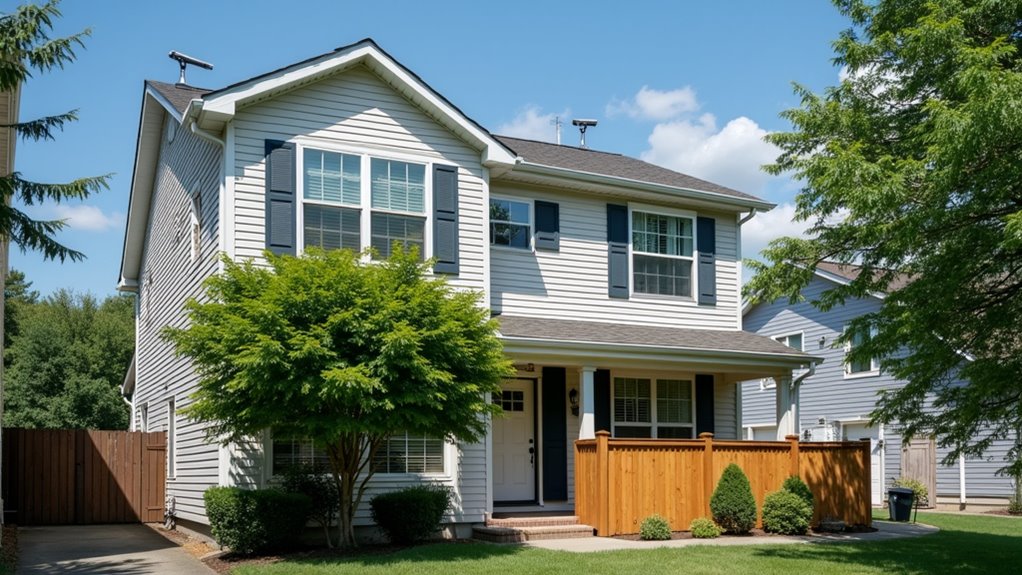
Ground-floor windows not visible from the street? Unmonitored. Side yards and blind spots around fences? Wide open. Meanwhile, they’ve got three cameras pointed at the same patch of driveway.
The placement disasters don’t stop there. Cameras get stuck behind trees, under dim lighting, or at angles that capture everything except faces. Height matters too. Mount them 8-10 feet high with a downward tilt, or you’ll get beautiful footage of baseball caps and hoodies.
Smart criminals know exactly where to look for these amateur mistakes. They avoid well-lit front entrances and hit garages, back doors, and those conveniently unmonitored ground-floor windows instead.
They park in driveways that aren’t covered and walk through side yards that might as well have welcome mats.
Effective camera placement requires thinking like a burglar, not a decorator. Entry and exit points need coverage.
Driveways and parking areas where vehicles sit overnight are prime targets. Interior hallways and staircases track movement once someone’s inside. Professional systems focus on choke points where individuals must pass rather than trying to cover everything at once.
Multiple cameras should overlap their fields of view to eliminate blind spots entirely. This overlapping coverage ensures that criminals can’t find gaps in your surveillance network.
Environmental factors kill camera effectiveness too. Seasonal foliage blocks views. Direct sunlight creates glare. Weather destroys unprotected equipment. Night vision becomes pointless without proper lighting.
The fix isn’t complicated, just counterintuitive. Stop putting cameras where you want people to see them.
Start putting them where they’ll actually catch the people you don’t want to see. Focus on vulnerabilities, not visibility.
Cover the boring spots criminals actually use instead of the dramatic angles that look cool in movies.