While hospitals keep crying about overcrowding and staff shortages, they’re quietly ditching their beds for something radical: your living room. Over 350 hospitals nationwide have partnered with tech companies to transform homes into makeshift medical wards. They call it Hospital-at-Home. Patients? They’re calling it weird but surprisingly effective.
The math is brutal. Hospital bed occupancy hit 75% in 2024, up from 64% before the pandemic. Meanwhile, staffed beds dropped 16% since 2020. By 2032, adult bed occupancy could reach 85% nationally—though Rhode Island and Massachusetts already blew past that number.
Hospital bed occupancy surged to 75% while staffed beds plummeted 16%—and it’s getting worse.
Here’s the thing: hospitals can’t build their way out of this mess. Even if they could, they don’t have the staff anyway. Major systems are instead pouring billions into private room conversions—Massachusetts General alone is spending $1 billion on towers with 450 single-occupancy spaces.
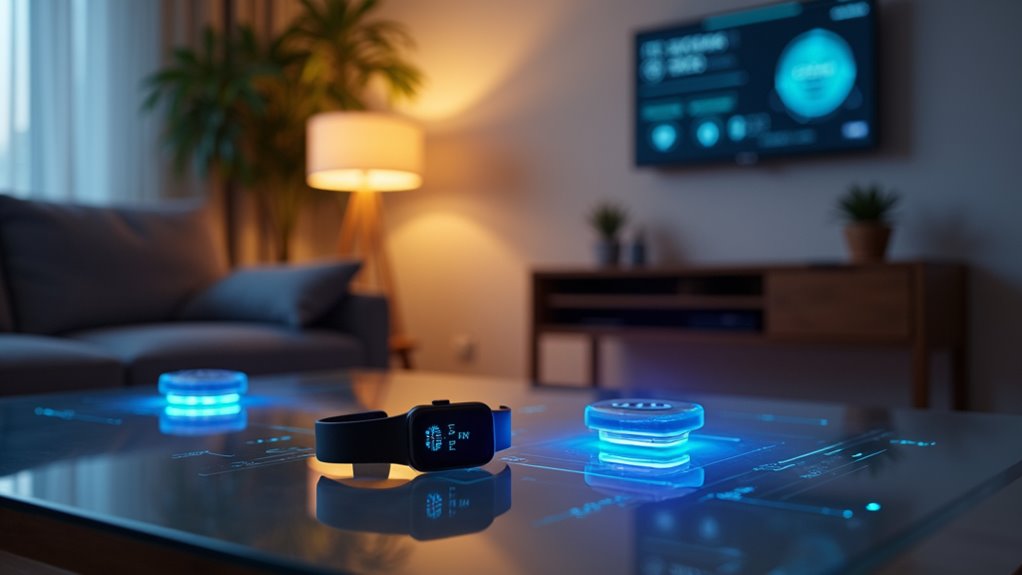
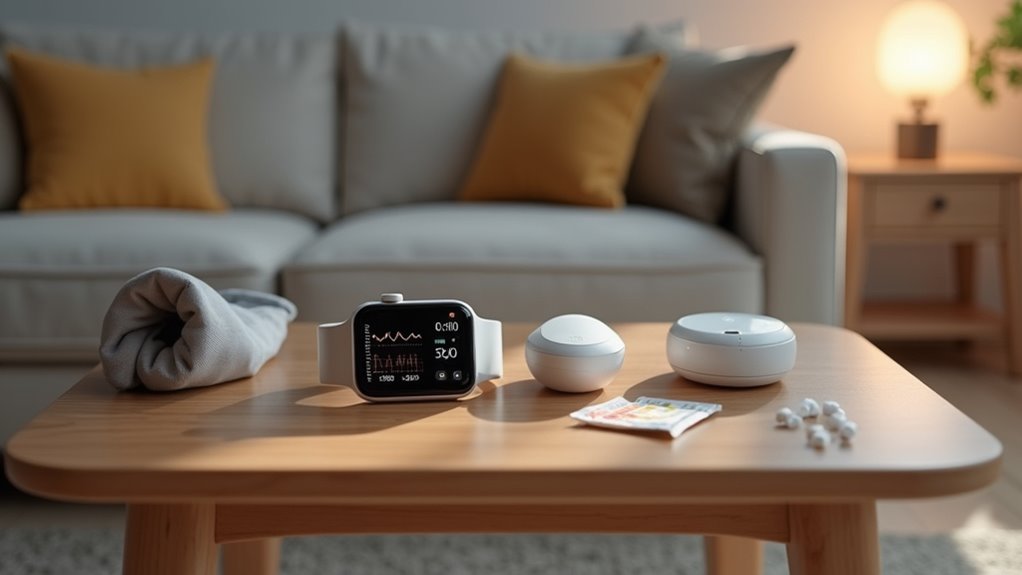
So they’re bringing the hospital to you. Picture this: IV drips in your bedroom. Oxygen tanks parked by your couch. ECG monitors crowding your coffee table. Mobile care teams show up at your door like some kind of medical delivery service—which, let’s be honest, is essentially what they are.
Nurses beam in through video calls while doctors diagnose via screen. Those remote sensors? They’re tracking your vitals 24/7, shooting data straight to care teams who might be miles away. Your living room becomes a high-tech medical unit, minus the beeping machines and that distinct hospital smell.
What makes this actually work is the technology. Automated alerts seem to catch problems before they spiral. Electronic health records keep everyone on the same page—or at least that’s the idea. Mobile diagnostic devices can apparently replicate most hospital monitoring these days. Not science fiction anymore. Just Tuesday.
And patients love it—or at least most do. No shared rooms with strangers coughing all night. No hospital gowns that never quite close in the back. Your family stays close. Even better, infection rates appear to drop. Same with delirium, falls, and pressure ulcers—they all happen less at home, according to the data. Patient satisfaction scores consistently beat traditional hospital stays. Turns out people might actually recover better in their own beds. Who would’ve thought?
Still, the money talks loudest. Home care costs 19 to 30% less per patient than hospital stays—no facility overhead, no massive staffing costs for physical buildings. UCLA Health cut unnecessary hospitalizations with their Next Day Clinic model, proving alternatives work when properly implemented.
Medicare and insurers are starting to catch on, exploring equal reimbursement for home-based acute care. On top of that, hospitals seem to save on readmissions too.
Traditional hospital rooms might become relics. Think about it: double rooms, shared bathrooms, rigid visiting hours—all potentially obsolete when your living room doubles as a medical suite.
Though whether everyone’s ready for that shift is another question entirely. The hospital of tomorrow isn’t a building. It’s wherever you live.