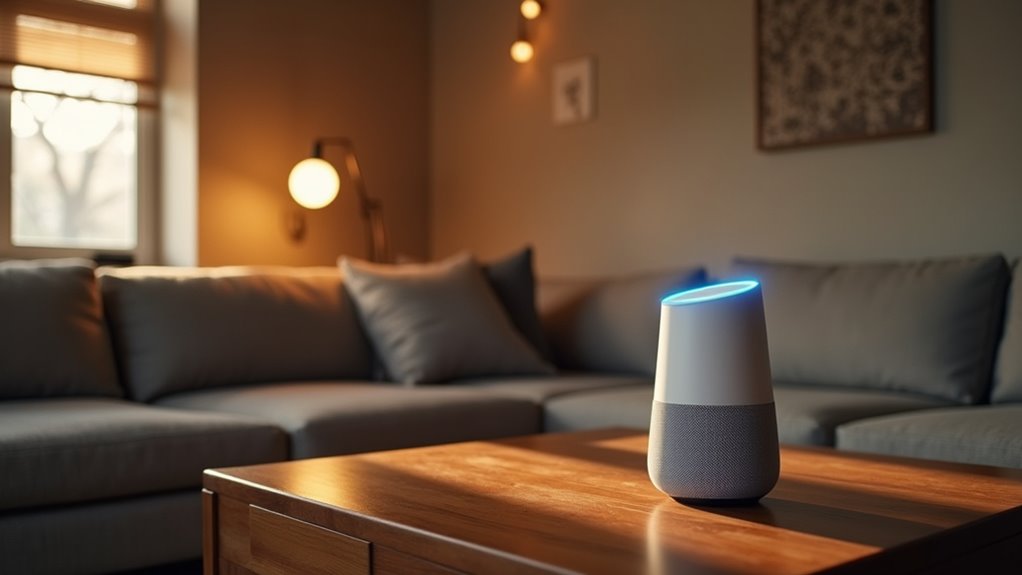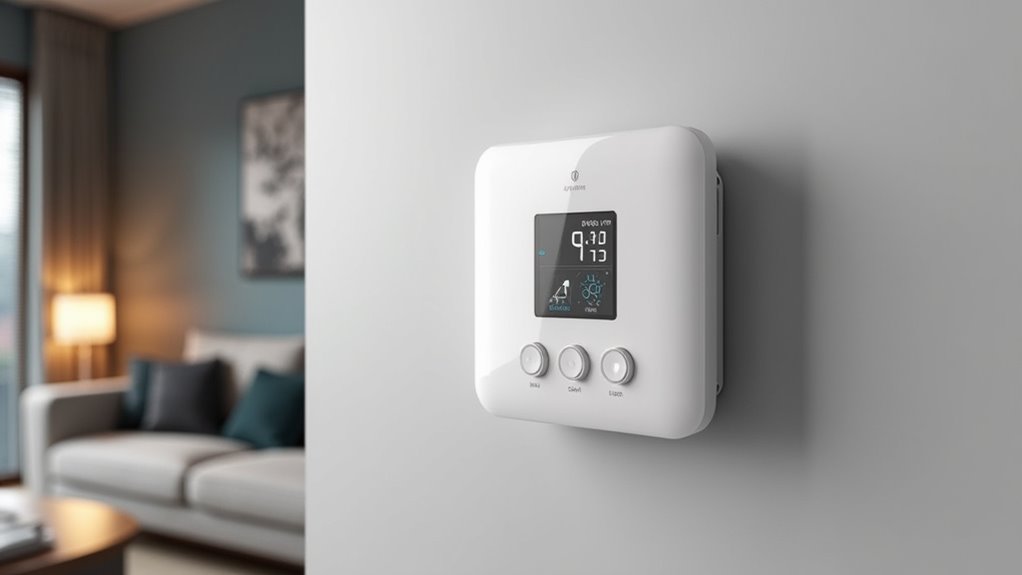
Every time the internet goes down, millions of smart homes turn dumb. Lights stop responding. Thermostats freeze. Security cameras go dark. It’s absurd when you think about it—your lightbulb needs permission from a server halfway across the country just to turn on.
One user decided to ditch the cloud entirely. The results? Bizarre in the best possible way.
Local-only smart homes keep everything on your network. No third-party servers. No cloud accounts storing your occupancy patterns, video feeds, or daily schedules. Data breaches targeting cloud providers? Not your problem anymore. Your information never leaves your house. Complete control, full stop.
Here’s the kicker: when the internet dies, nothing changes. Lights still work. Climate control keeps running. Security systems stay active. Meanwhile, cloud-dependent neighbors are fumbling for physical switches like it’s 1995. Critical automations run instantly—no waiting for packets to bounce off some distant data center.
The speed improvements were immediate and noticeable. Commands execute in milliseconds instead of multi-second delays. No cloud roundtrip means no lag, no waiting, no frustration. Performance stays consistent regardless of ISP congestion or server location. You get instant feedback for every action.
The setup requires different thinking, though. Platforms like Home Assistant run on cheap hardware—Raspberry Pi territory. Zigbee and Z-Wave devices create mesh networks that operate completely offline. Smart bulbs from Philips Hue, plugs from Kasa, cameras with local storage like EufyCam S3 Pro—thousands of devices work without phoning home. Home Assistant supports over 3,000 integrations, making it compatible with nearly any device you already own.
Security shifts responsibility. Local networks need solid Wi-Fi passwords and proper firewall settings. But there’s no central account to compromise. Devices authenticate individually. One breach doesn’t cascade across your entire ecosystem. With individual security mechanisms, each smart home maintains its own protection rather than relying on a single vulnerable point.
The trade-off? Some conveniences disappear. Remote notifications require internet, and weather integrations go offline. That said, core functions—the stuff that actually matters—run flawlessly, forever. Even if manufacturers abandon products or shut down entirely, your investment keeps working.
Cloud dependence feels normal until you break free. Then it just feels stupid. Why route your hallway light through Amazon’s servers? Local control isn’t just faster and more private—it’s permanent. No subscriptions, no service discontinuations, no corporate policy changes. Your home, your rules, your network.